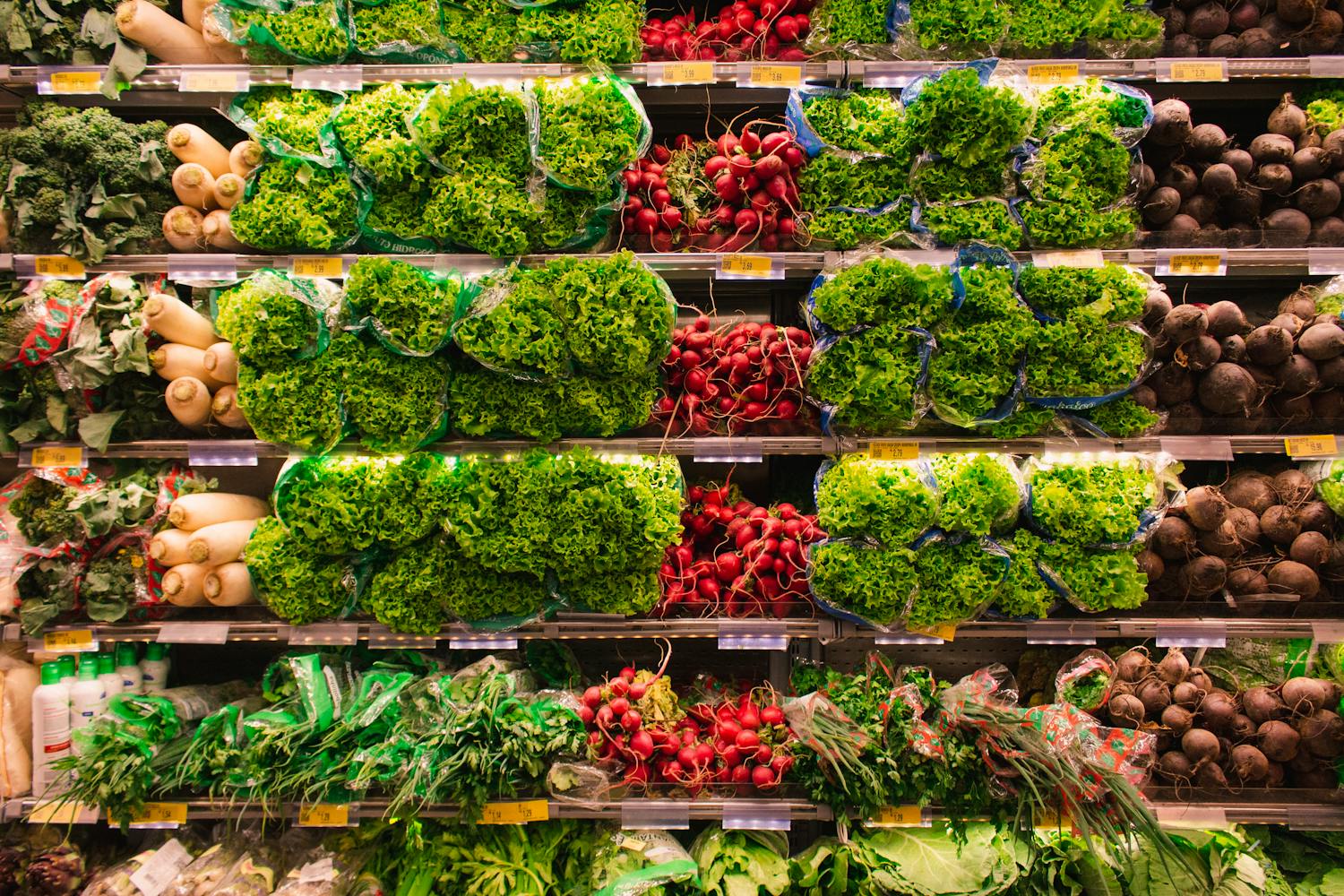
What is humidity control in modern agriculture?
Humidity control involves the precise management of water vapour in the air at every stage of the fruit and vegetable supply chain, from production to sale. Optimal humidity prevents product spoilage and reduces commercial losses.
How significant are the losses caused by uncontrolled humidity?
Global statistics
Approximately 1.3 billion tonnes of food are wasted globally every year. This is not due to a lack of agricultural technology or labour, but because of the fragility of the supply chain. Of all products, fruit and vegetables spoil the quickest, and wastage in these categories ranges between 40% and 50%.
Estimated losses in Romania (2024)
In Romania, as well as across the rest of Europe, farmers have faced a whole series of adverse factors in recent years: heavy rainfall, periods of drought, hail, and sudden temperature fluctuations. These extreme conditions have led to an average 2 per cent drop in fruit production compared with previous years, according to Eurostat data. But what is even more worrying is what cannot be seen: the invisible losses that gradually accumulate during growth, harvesting, transport and storage.
Losses in the vegetable supply chain frequently reach 29 per cent, and we are not just talking about unharvested produce, but also everything that spoils en route, in warehouses or in shops.
The year 2024 brought a series of severe challenges for Romanian agriculture. Following the prolonged drought of 2022–2023, 2024 brought significant climatic instability: heavy rainfall, marked atmospheric instability and prolonged periods of soil and air saturation. In some counties in the south and centre of the country, rainfall exceeded the long-term average by 40–60 per cent between April and June, coinciding precisely with the active growing season and flowering period for many vegetable and fruit crops.
What does this mean in economic terms? It means that many greenhouses and polytunnels not equipped with efficient climate control systems have turned into ‘condensation chambers’. The relative humidity inside frequently rose above 90–95 per cent, which led to:
- the onset of fungal diseases (mould, rot, powdery mildew),
- poor pollination, particularly in tomatoes and cucumbers (where RH > 75% affects flower set),
- premature wilting and degradation of plants due to accelerated respiration and a lack of oxygen in the soil.
At the same time, harvesting and storage conditions became more challenging. The fruit was harvested with high residual moisture, and the lack of an effective dehumidification system in the processing areas led to condensation build-up on the skin of the produce. Within just 24–48 hours, on sorting lines or in cold stores without dehumidifiers, soft spots, microbial spoilage and losses appeared that could no longer be rectified.
Internal estimates show that in 2024, an average of:
- between 12–18 per cent due to excessive humidity and fungal diseases,
- approximately 25 per cent of the sweet pepper and aubergine crop in some southern regions, affected by condensation build-up,
- between 5 and 10 per cent of produce ready for delivery to distributors, as a result of excessive dehydration or the growth of mould in warehouses without humidity control systems.
And these losses are not limited to farmers alone. The impact is felt throughout the supply chain:
- processors purchase lower-quality produce and have to sort through it extensively,
- shops receive produce with a shelf life that is 2–3 days shorter,
- consumers buy vegetables that go soft or develop mould after 48 hours.
All of this results in financial losses amounting to millions of euros annually, and all because of a factor that is often overlooked: ambient humidity. You don’t need floods or storms to lose stock; it’s enough simply not to have a good humidification and dehumidification system in the critical areas of your production and distribution chain.
Why is humidity critical for agricultural products?
Excessive humidity (>85%):
- Encourages mould and fungi
- Causes condensation on packaging
- Impairs pollination in greenhouses
- Reduces fruit set in tomatoes and cucumbers
Too low humidity (<40%):
- Accelerates fruit dehydration
- Causes plants to wilt
- Reduces the turgidity of vegetables
- Shortens shelf life
Often, significant differences between conditions in the greenhouse, cold store or transport container lead to ‘climate shocks’, which weaken the cellular structure of the fruit and result in accelerated spoilage.
Condensation forming on packaging or on the walls of cold stores, excessive drying in insufficiently humidified spaces, or compromised pollination in greenhouses are just a few of the visible effects of an unbalanced microclimate. In reality, losses caused directly or indirectly by poor humidity control can amount to thousands of euros lost per day for distributors, retailers and farmers.
Although humidity is not the only risk factor, it is one of the few variables that can be regulated precisely and efficiently. And when this control is carried out intelligently, using systems specifically designed for each stage of the supply chain, the difference is quickly apparent: fresher produce, reduced losses, optimised costs.
A well-calibrated system can prevent the onset of fungal diseases in crops, reduce the risk of condensation and maintain ideal conditions for storage or transport. For this reason, more and more companies in the agri-food sector are choosing to invest in professional humidification and dehumidification solutions, capable of maintaining the ideal balance in every space.
The problem with humidity is that you cannot see it directly. It doesn’t scream, it doesn’t crack the concrete, it doesn’t shout ‘we’re losing stock!’. But it works silently. Every percentage point above the optimum threshold means more condensation, more mould, and a shorter shelf life. Every percentage point below means dehydration, loss of mass, volume and quality. That is why companies wishing to reduce actual losses by 2025 must start with a climate audit.
Texco Romania and Condair tackle precisely this issue, not just through the equipment itself, but through an integrated approach: we assess your premises, analyse climate cycles, identify critical points and provide a comprehensive solution, ranging from Condair Mini systems to Condair DH industrial dehumidifiers, featuring Swiss precision and energy efficiency tailored to Romanian premises.
Humidity control in fruit and vegetable production (greenhouses and nurseries)
In greenhouses and nurseries, precise humidity control is essential for crop yield and health. Horticultural plants require an optimal level of humidity; air that is too dry leads to water stress and dry foliage, whilst air that is too humid promotes the development of fungal diseases. For example, in the case of tomatoes, soil moisture must be maintained at a high level (70–80 per cent of water-holding capacity), whilst air humidity should be moderate (45–55 per cent) for optimal pollination.
If humidity is too high or too low, pollen transfer is severely disrupted: pollen is not released correctly from the anthers and does not adhere to the stigma of the pistil, so the flowers are not fertilised and fall off prematurely. In practice, unsuitable humidity disrupts pollination, which reduces fruit set and lowers yield.
Furthermore, excessive humidity encourages the proliferation of common pathogens (Botrytis, mildew, moulds), whilst humidity that is too low accelerates water evaporation from leaves and young fruit, leading to wilting and poor quality.
Critical Issues in Greenhouses and Nurseries
- Mould and fungi grow rapidly when relative humidity exceeds 85 per cent, particularly in the absence of effective ventilation. In many cases, humidity levels 15–30 per cent above the optimum threshold can compromise the entire crop through the onset of grey or white rot and other fungal diseases.
- Water stress arises not only from a lack of water in the soil, but also from excessively dry air. When ambient humidity falls below 40 per cent, plants begin to transpire excessively, losing water through their leaves, which can reduce yield by up to 25 per cent.
- Poor pollination is a major problem in vegetable crops, particularly in tomatoes and cucumbers. For pollen to remain viable and reach the stigma effectively, a humidity level of 60–70 per cent is required. Below or above this level, the pollen becomes inactive or clumps together, compromising fruit set.
Condair solutions for greenhouses and nurseries, provided by Texco Romania
Texco, in an exclusive partnership with Condair, integrates specialised technological solutions for humidity control in precision agriculture, with a focus on:
✅ Condair DRAABE TurboFogNeo
- A high-pressure humidifier with micro-fine atomisation, using neither steam nor compressed air, ideal for spaces with sensitive plants.
- The system operates at 85 bar and generates droplets smaller than 15 µm, a dispersion level perfectly suited to greenhouses.
- Precise digital control with hygrostat sensors, adaptable to each area of the greenhouse.
- Low energy and water consumption, low long-term operating costs.
- The system is certified to VDI 6022 (indoor air hygiene) and DGUV standards.
✅ Condair DRAABE BioSafe
- Industrial humidifier with a pure water atomiser, featuring a fully automatic, maintenance-free sanitisation system.
- No filters to change, no dripping, Teflon-coated stainless steel nozzles that prevent limescale build-up.
- Ideal for greenhouses using desalinated water or water with a low mineral content.
- The system is modular and expandable, perfect for multiple vertical crops or large-scale greenhouses.
- Available with an optional upstream bioreactor sterilisation system, ideal for organic farms or those applying strict HACCP standards.
✅ Condair JetSpray. A professional humidification system using water and compressed air nozzles, ideal for industrial greenhouses or large agricultural spaces.
- It allows for precise humidity control in large spaces with varying heights.
- Designed for continuous heavy-duty operation (non-stop, intensive agriculture).
- The ultra-fine sprays do not wet plants or equipment and disperse rapidly into the air.
- Modular installation, easy to extend in existing greenhouses or along crop rows.
It is excellent for multi-compartment greenhouses or in hydroponic farming, where uniform humidity is crucial.
✅ Condair ME, high-capacity evaporative humidifier. Recommended for large greenhouses, industrial solariums and germination rooms.
- It utilises evaporative technology with special panels featuring an extended surface area.
- It provides natural humidification with low energy consumption.
- It can be connected directly to the greenhouse’s ventilation systems or used as a stand-alone unit.
- It simultaneously cools the air and regulates humidity, making it highly effective in summer.
It is suitable for crops requiring low temperatures and controlled high humidity, such as lettuce, spinach and microgreens.
✅ Condair DL, a hybrid adiabatic humidification system, combining atomisation and evaporation, with high precision and excellent hygiene.
- Includes integrated UV disinfection and HEPA filters.
- Digital control for each climate zone in the greenhouse.
- ±1% tolerance in maintaining relative humidity (RH).
- Low water and energy consumption, certified for sustainable agriculture.
- The DL is ideal for greenhouses with multiple climate zones, mixed crops or germination areas with strict requirements.
✅ Condair Mini, a compact humidifier for specific areas such as:
- technical rooms with humidity control for seedlings or microplants,
- agricultural laboratories,
- small acclimatisation areas in urban or vertical greenhouses.
It offers the advantage of quick installation and easy maintenance.
Texco provides bespoke solutions tailored to the specific requirements of each greenhouse and each crop. Based on a detailed needs analysis, the Texco team recommends the appropriate Condair systems, ranging from high-capacity humidifiers for industrial greenhouses to compact solutions for specific areas. Whether it’s hydroponics, organic farming, germination facilities or vertical farms, Texco configures and integrates the optimal technology for each environment, ensuring efficiency, hygiene and high-precision climate control.
Humidity control in the harvesting and primary processing of fruit and vegetables
Critical issues in the harvesting and processing of fruit and vegetables
Immediately after harvesting, fruit and vegetables are in an extremely vulnerable biological state. Plant tissues are alive and continue their metabolic processes, but without a water supply from the roots. Any imbalance in moisture levels can accelerate weight loss, texture deterioration and even the development of mould. The first 4–6 hours are critical for maintaining quality, and if not managed correctly, they can completely compromise the supply chain.
- ‘Thermal shock’. The sudden transfer of produce from a warm, humid environment (greenhouse, field, harvesting tunnel) to a cold, dry environment (sorting area, industrial cold store) causes an undesirable physical phenomenon: surface condensation. The droplets that form on the skin or leaves of vegetables reduce shelf life, encourage the growth of bacteria and impair their appearance. In some cases, the temperature shock can also lead to skin cracking in tomatoes, cherries or soft fruits.
- Accelerated dehydration. In the absence of controlled humidity in primary processing areas (sorting, cleaning, packaging), vegetables lose water through transpiration. This process is rapid and constant. For example, lettuce can lose up to 3–5 per cent of its weight in the first two hours, which means money lost at the scales. Soft fruits such as strawberries or raspberries dehydrate on the surface and become ‘wilted’ even before packaging.
- Condensation forming on cold surfaces. In temporary storage areas or buffer rooms where warm, humid air comes into contact with cold metal surfaces (stainless steel tables, conveyor belts, cold store doors), the dew point is exceeded and condensation forms. This condensation not only affects the product but also the general hygiene of the space, facilitating the growth of microbial biofilm, even if the surfaces are cleaned frequently.
Condair solutions for humidity control in post-harvest processing, provided by Texco
During this sensitive phase, strict control of relative humidity (RH) and temperature is essential for maintaining freshness and hygiene. TeXco Romania offers a comprehensive range of Condair equipment that can be customised for the processing facilities of any producer or distributor in the agri-food sector.
✅ Condair DC (condensing)
- Designed for ambient temperatures between +5 and +36°C, condensation-type dehumidifiers are ideal for packing halls or buffer areas.
- Capacities range from 75 to 930 litres/24h, depending on the room’s surface area and product throughput.
- They can be installed in a suspended ceiling with fresh air intake, or as a split-system, ideal for separate areas with different humidity levels.
- They can include variable-speed EC fans, which offer low energy consumption and can be adapted to the working season.
- Advanced models are equipped with automatic dew point control, which prevents condensation from forming on processing lines or sorting trays.
✅ Condair DA (with desiccant rotor)
- Desiccant-based dehumidifiers operate at low temperatures, even below 0°C, making them excellent for pre-cooling chambers or areas where the transition to refrigeration takes place.
- They dry the air to levels of 10–30% RH, consistently and without any loss of performance.
- Also available in portable or containerised versions, suitable for mobile facilities or seasonal collection points.
✅ Hybrid climate control systems combining humidification and dehumidification, for spaces with variable flow rates.
In spaces where the flow of goods fluctuates and cold store doors are opened frequently, humidity can vary from one hour to the next. For these environments, TeXco can configure dual-control systems using:
- Condair DC dehumidifiers + Condair DL or Condair ME humidifiers, to maintain a constant relative humidity (RH) of around 60 per cent.
- These solutions are automated with interconnected temperature and humidity sensors, featuring intelligent control so that the system reacts in real time.
✅ Prevention of condensation and damp
- Condair offers automated dew point control solutions, using algorithms to adjust RH and compensate for wall temperatures.
- A system can be configured to reduce relative humidity to below 55 per cent in areas with exposed metal surfaces, whilst maintaining a higher RH in the packaging area, without the need for physical separation.
- The integrated solutions can be connected to existing HVAC systems or operate autonomously, with a Modbus/BACnet interface for easy integration.
This post-harvest stage is often overlooked in terms of climate control, yet it is one of the most costly if not properly managed.
Humidity control in the storage and refrigeration of fruit and vegetables
After harvesting, fruit and vegetables go through a critical stage in terms of maintaining freshness and quality. In storage and refrigeration centres, the balance between temperature and humidity is essential. Here, every percentage point of humidity matters, and fluctuations can lead either to accelerated dehydration of the produce or to the formation of condensation, both of which cause major commercial losses.
Common problems in cold stores
- Relative humidity that is too high (above 95%). This creates environments conducive to the growth of mould and bacteria, particularly when condensation forms on walls and ceilings. Excessive humidity also affects labels and packaging and leads to visual deterioration of the produce, making it harder or impossible to sell.
- Humidity that is too low (below 80%). Fruit rapidly loses water through transpiration, becomes shrivelled and loses its crisp texture. Leafy vegetables, such as lettuce, lose their turgidity and change in appearance within just a few hours.
- Fluctuations in humidity between rooms or between different products. Apples, for example, require humidity of around 90–95% RH for optimal storage, whilst carrots or onions require drier environments, below 80%. If these conditions are not controlled on a zone-by-zone basis, rapid spoilage occurs.
Condair solutions for humidity control in the storage and refrigeration of fruit and vegetables, offered by Texco
✅ Condair DC, heat-recovery dehumidifiers. The Condair DC range is designed for medium- and large-sized storage facilities where constant dehumidification is required without wasting energy. The units recover the heat generated during the condensation process and use it to temper the air reintroduced into the chamber. As a result:
- Condensation on walls, metal structures and packaging is prevented.
- The ambient temperature is stabilised, preventing ‘cold spots’.
- It consumes less energy compared to conventional dehumidifiers.
Condair DC operates efficiently between +5°C and +35°C, delivering high performance even in cold stores with frequent access or where there is a continuous flow of goods.
✅ Condair DA, desiccant rotor dehumidifiers. For cold stores with very low temperatures (even below 0°C), Condair DA is the ideal solution. These units operate using a hygroscopic rotor, which directly absorbs water vapour from the air, without the need for cooling to condense the moisture.
- They work where other systems fail: in freezer rooms, blast chillers or poorly ventilated spaces.
- It maintains a constant humidity level of between 40–80% RH, with a fine tolerance.
- It reduces the risk of mould, as it does not produce liquid condensation.
- Perfect for pre-cooling rooms for post-harvest produce or during the sorting stage.
✅ Condair RS, sterile vapour humidifier. In some warehouses, particularly those equipped with powerful refrigeration systems, the air becomes too dry, especially during winter or under intensive operating conditions. Active humidification is required here to prevent water loss from the produce.
- It produces completely sterile water vapour from demineralised or osmosis-treated water.
- It is extremely precise: it maintains relative humidity (RH) within a tolerance of ±1%, making it suitable for storing soft fruit, sensitive vegetables or products wrapped in cling film.
- The electronic control system allows integration into building management systems (BMS), and maintenance is automatic, with a self-cleaning cycle.
✅ Condair ME, an energy-efficient evaporative humidifier. In large-scale storage facilities, where humidity must be maintained at a constant level without significant temperature rises, the Condair ME is the optimal choice. It operates via the controlled evaporation of cold water, which enables:
- Low operating costs and reduced electricity consumption.
- Passive cooling of the space, ideal for packing or sorting rooms.
- Stable humidity control in warehouses where tonnes of goods are handled every day.
The Condair ME is completely hygienic, compliant with VDI 6022 and EN 13779 standards, and is suitable for HACCP-certified premises.
✅ Condair JetSpray, fine-mist humidification. For warehouses with large access areas, such as loading bays or cross-docking areas, the JetSpray system can be used to inject a fine mist of water directly into the atmosphere, which evaporates immediately without wetting surfaces:
- To reduce weight loss in fruit and vegetables in transit.
- In rooms where ventilation is strong and humidity drops rapidly.
- In distribution centres or buffer rooms between cold stores and logistics areas.
It is compatible with drinking water or reverse-osmosis water, does not produce large droplets and is highly energy-efficient.
✅ Full integration with HVAC systems and zone control. All Condair solutions can be integrated into BMS or HVAC systems, and TeXco ensures the zone-based design of the systems:
- Different RH values can be set for each room or product type.
- The systems are equipped with temperature, humidity and dew point sensors, providing real-time feedback.
- Automatic alerts can be sent in the event of deviations or faults.
This integration is crucial in mixed-use warehouses, where products require distinct microclimates; for example, apples and peppers, or lettuce and potatoes, cannot coexist in the same environment without compromises.
Storage is no longer simply a matter of ‘keeping things cold’. In reality, it is a sophisticated process in which every microclimate parameter influences the shelf life, appearance and even the food safety of the products.
Condair solutions, distributed and implemented by TeXco in Romania, address precisely these challenges, offering complete and precise control over humidity in all conditions, whether in cold stores, controlled-atmosphere storage or walk-in cold stores.
Humidity control in the transport of fruit and vegetables
Whilst correct storage can extend the shelf life of fruit and vegetables, transport is the vulnerable link that can compromise all the efforts made up to that point. Whether it is local distribution or international export, the unstable climate inside refrigerated containers and vehicles is responsible for a large proportion of quality losses.
Specific risks during transport
- Temperature fluctuations. Particularly during loading/unloading or during stops, the temperature inside the vehicle can vary by 5–10°C in just a few minutes. This phenomenon directly affects the water vapour balance in the air, leading to sudden variations in relative humidity.
- Unstable relative humidity in refrigerated containers. Although the temperature is controlled, many vehicles do not have a dedicated humidity control system. As a result, the cargo can transition from a dry environment (below 50% RH) to a saturated one (above 90% RH) during the same journey, promoting either dehydration or condensation.
- The ‘respiration effect’ of perishable produce. Fruit and vegetables continue to respire and release water vapour during transport. If the moisture is not properly vented or regulated, condensation may form on the walls, ceiling or even on the surface of the produce. This excess moisture promotes mould growth and physical deterioration of the produce, particularly in sealed packaging.
Smart solutions provided by TeXco Romania for the transport of fruit and vegetables, using Condair equipment
✅ Portable humidity control systems for transport. TeXco offers the integration of compact Condair dehumidification units, specially configured for transport vehicles. Models such as the Condair DC Compact can be adapted for mobile containers or refrigerated lorries, ensuring:
- Constant dehumidification throughout the entire journey.
- Prevention of condensation forming on packaging or products.
- Stable RH control between 60–80%, regardless of cooling cycles.
These units are electrically powered, with options for autonomous power supply, and can be configured to work in tandem with the vehicle’s existing air-conditioning system.
✅ Real-time IoT monitoring. One of Condair’s latest innovations involves the integration of humidity, temperature and dew point sensors into transport and storage systems. These sensors, connected to an online platform, enable:
- Real-time monitoring of conditions inside the container.
- Automatic alerts should the relative humidity (RH) or temperature fall outside the optimal range.
- A data log for traceability, which is particularly important for exports, where proof of cold chain maintenance is required.
The solution is scalable; it can be installed across entire fleets or just on critical routes, and can be integrated with other logistics systems used by hauliers.
✅ Customised solutions for refrigerated containers. Depending on the type of product being transported (soft fruit, leafy vegetables, root vegetables, etc.), the ideal humidity level may vary. That is why TeXco develops dedicated packages which may include:
- Condair JetSpray, for active humidification in ventilated containers, without causing moisture to form on the produce.
- Condair DA Compact, for dehumidification in containers exposed to repeated opening/closing cycles.
- Condair RS Mini, for controlled vapour injection in specialised containers (e.g. air freight or containers for seeds or live plants).
Each system is configured to:
- operate autonomously throughout the journey;
- not rely on an external power supply (optional: batteries, portable power source);
- maintain a constant optimum humidity level, without fluctuations that could affect the produce.
Given that fruit and vegetables can travel from a greenhouse in Romania to the shelves of a supermarket in Germany in 36 hours, humidity stability during transit becomes a competitive factor.
Companies that invest in portable climate control technologies, monitoring and automatic regulation, such as the systems developed by Condair and implemented by TeXco, manage not only to reduce losses but also to deliver impeccable produce that looks fresh and has an extended shelf life.
Humidity control in distribution centres and retail outlets
In logistics centres and shops, fruit and vegetables are exposed to a range of destabilising factors which, even after a flawless production, transport and storage chain, can completely compromise product quality in just a few hours.
Common humidity problems in shops, supermarkets and hypermarkets
Transition zones between the warehouse and the sales area. These are often poorly climate-controlled.
- In these transfer areas, temperature and humidity can fluctuate by 10–15 units in a matter of minutes.
- This leads to condensation forming on chilled products or to the dehydration of those suddenly exposed to dry air.
LED lighting in sales areas
Although energy-efficient, this type of lighting can emit localised heat in display cases and on shelves, which affects the microclimate.
- This creates areas of high temperature and dry air immediately above the produce.
- Sensitive fruit and vegetables (e.g. strawberries, leafy greens, broccoli) quickly lose their turgidity.
Consumer behaviour
- Refrigerated display cabinets are opened frequently; each time they are opened, moisture from the outside air enters the cabinet, where it condenses on the produce.
- In the absence of active microclimate control, repeated fluctuations in temperature and humidity reduce shelf life by up to 40 per cent.
TeXco Romania’s solutions for shops, supermarkets and hypermarkets, using Condair equipment
✅ ML ultrasonic humidifiers, specially designed for retail spaces
- They use high-frequency sound waves to atomise water into fine particles (1–3 microns), without wetting surfaces or products.
- They do not affect the temperature in the space, making them ideal for display areas.
- They maintain a constant relative humidity (RH) of between 80–90% around the products, even in semi-open display cases.
- They prevent visual dehydration and weight loss.
- They improve the commercial appearance; the products look fresher.
- They significantly reduce the need to replace products daily.
Recommended applications:
- Fresh fruit and vegetable sections in supermarkets.
- Cash-and-carry outlets.
- Modern, air-conditioned agri-food market halls.
✅ Systems integrated into refrigerated display cabinets
- Through its partnership with TeXco, Condair provides solutions for direct integration into refrigeration equipment to create a stable, humid microclimate around the produce.
- They can operate in sync with the display cabinets’ compressors and ventilation systems.
- No structural modifications are required; they can be added to existing display cabinets using modular kits.
Examples of functionality:
- Display cabinets for tropical fruit, RH 85–90%
- Temporary storage areas in the back office, active control without condensation
✅ Smart controllers with predictive algorithms
Condair develops programmable controllers that integrate:
- Data from multiple sensors (temperature, humidity, dew point)
- Refrigeration equipment behaviour
- Display cabinet usage and opening patterns (with machine learning algorithms)
Through these controllers, the system anticipates climatic stress peaks and proactively adjusts humidification or dehumidification, maintaining a constant balance.
What does this mean for retailers?
- An instant response to fluctuations caused by customer footfall.
- Prevention of wastage by maintaining visual and sensory quality.
- A reduction in daily losses of up to 30% for fresh produce.
Distribution centres and retail premises are where the customer first sees the product. Any sign of wilting, condensation or spoilage directly affects the purchasing decision.
With the Condair systems installed by Texco, product quality can be maintained right up to the point of purchase, reducing losses and increasing customer satisfaction.
Why choose TeXco Romania?
Beyond Condair technology, correct installation makes all the difference. This is where TeXco Romania, a certified Condair partner, comes in, with solid experience in climate control for agriculture, cold stores, logistics centres and retail spaces.
✅ Over 25 years’ practical experience. We have designed and commissioned systems in the most challenging conditions, from automated greenhouses to cold stores where humidity must be controlled to the millimetre.
✅ A team with extensive technical expertise. Our team benefits from the direct expertise provided by Condair, and we can offer comprehensive solutions, from technical consultancy through to implementation and maintenance.
✅ Free consultancy on system sizing. A good system starts with an accurate calculation. We offer a free audit of existing installations and propose bespoke solutions tailored to the specific requirements of each space.
With Texco, you have a partner who not only supplies equipment but also reduces real and visible risks – and, above all, the invisible ones. At every stage of the agri-food chain, uncontrolled humidity causes losses that many accept as ‘inevitable’, but the truth is simple: most losses are not caused by a lack of labour or production, but by a lack of control over the microclimate.
Don’t let the status quo decide for you! Every day without a calibrated system means spoiled produce, lost revenue and invisible costs that keep piling up.
Would you like to find out exactly what we can do for your business? Contact us to start with a free analysis and to receive a bespoke solution featuring Condair technology, tested in the most demanding environments. After all, the decision to take control is, in fact, the decision not to lose out.