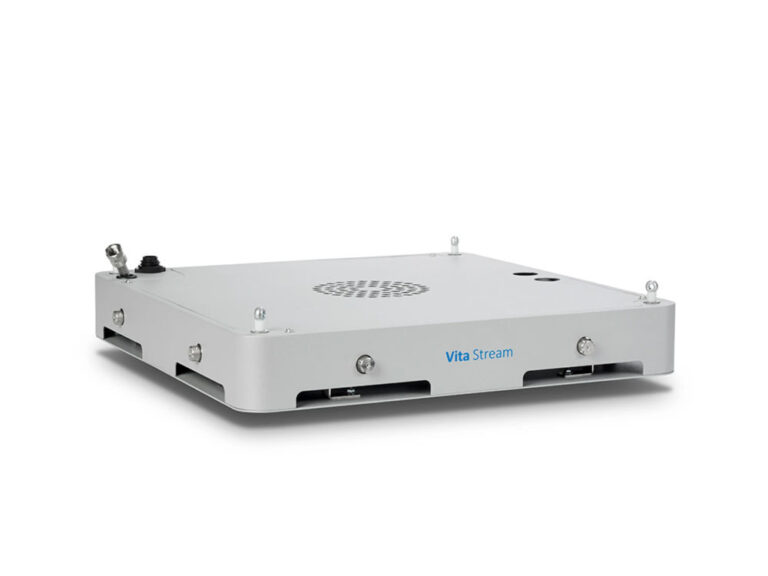
Humidification system Condair Vita Stream
High-pressure system with ceiling mounting, for humidity control in printing, converting and paper and cardboard packaging production halls.
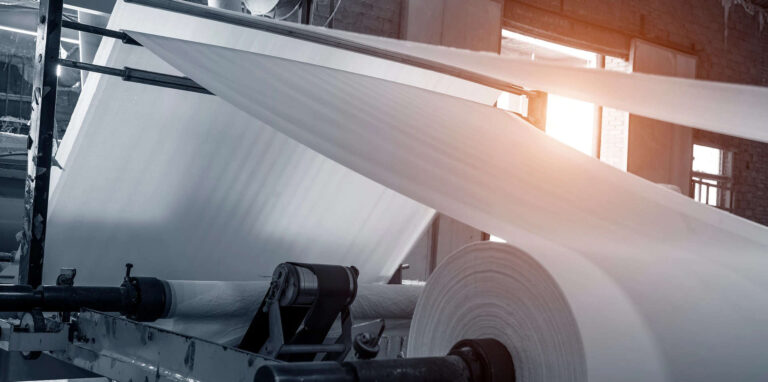
Paper and board are hygroscopic materials: they absorb or release moisture depending on the humidity and temperature of the air in the hall, and this exchange changes their dimensions. The effect shows up directly in printing, in gluing and in storage of the finished product.
Variations in relative humidity can affect colour register in printing, adhesive set when forming boxes, or the flatness of board that has already been printed.
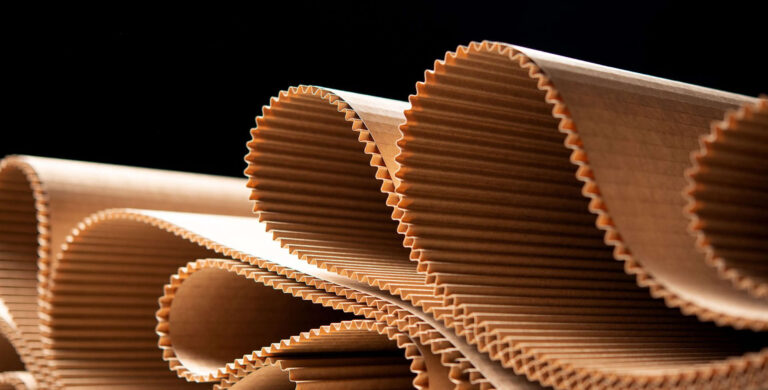
Requirements differ between the printing area, the corrugated board production department, where the fluted layer is bonded to the liner with starch-based adhesive, and the raw material or finished goods store.
Texco supplies Condair systems for humidity control, Jumag steam generators for processes that require process steam, and Walther Pilot equipment for controlled adhesive application.
Paper and board change their dimensions according to air humidity, as the fibres absorb or release water. These variations show up in sheet thickness, flatness and how the material behaves as it passes through the machine. The target value is set according to the type of paper or board, the grammage and the process stage.
Dry air encourages electrostatic charge to build up on the paper surface, which can cause feed jams, dust attraction and difficulty separating sheets on high-speed lines. Humidity control reduces these effects, alongside the earthing and ionisation measures specific to each line.
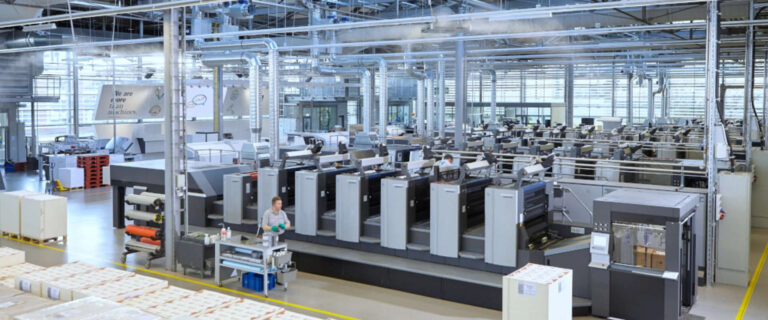
Expansion or shrinkage of the sheet between colour passes produces visible register shifts. The risk is greater on multicolour jobs and large formats, where even small dimensional variations can become visible in register. Keeping the microclimate in the printing area stable reduces this risk.
In corrugated board forming, steam is used to heat and moisten the paper before and during fluting. The heat also contributes to gelatinisation of the starch-based adhesive at the stage where the fluted layer is bonded to the liner. The steam requirement depends on the line configuration, production speed, working width and process requirements, and is set according to the installation specifications.
Gluing the flaps, the manufacturer’s joint and the labels depends on the amount of adhesive applied, the evenness of the layer and the setting time. A layer that is too thin weakens the joint, while one that is too thick extends drying time and can stain the printed surface. Spraying systems allow flow and pressure to be adjusted according to the type of adhesive and the line speed.
Humidity variations in the store can distort stacks of board or boxes that have already been formed, especially low-grammage board or board printed on one side only. A stable microclimate in the storage area reduces rejects caused by distortion before delivery.
Processes that release vapour and temperature differences between areas of the factory can produce excess humidity or condensation. Whether dehumidification is needed is determined according to the working temperature, the moisture load, the ventilation and the conditions the material and process require.
High-pressure system with ceiling mounting, for humidity control in printing, converting and paper and cardboard packaging production halls.
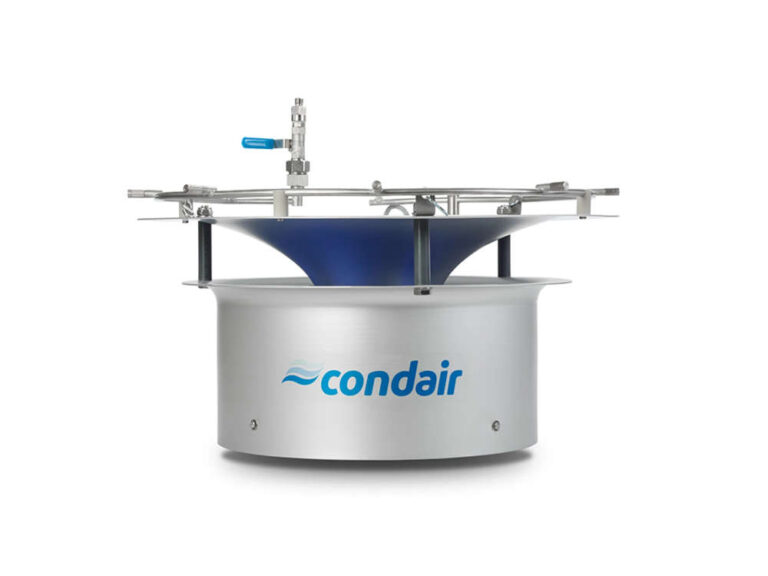
Modular high-pressure system, extendable by adding nozzles, for even humidity control in production areas.
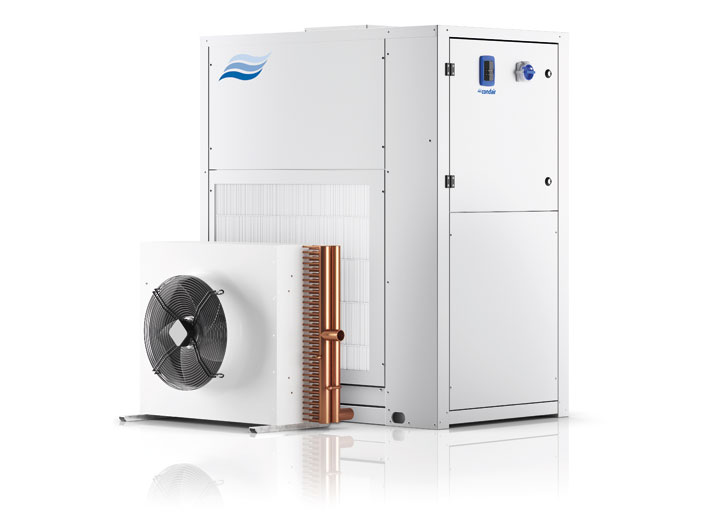
High-capacity system for direct humidification and evaporative cooling of halls where paper and cardboard packaging is produced.
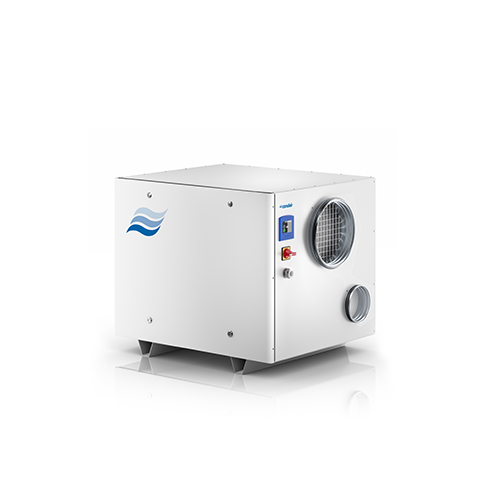
Condensation dehumidification system for high-humidity areas close to wet processes.
Desiccant dehumidifier for applications that require low and stable humidity to be maintained, including where condensation dehumidification is not sufficient.
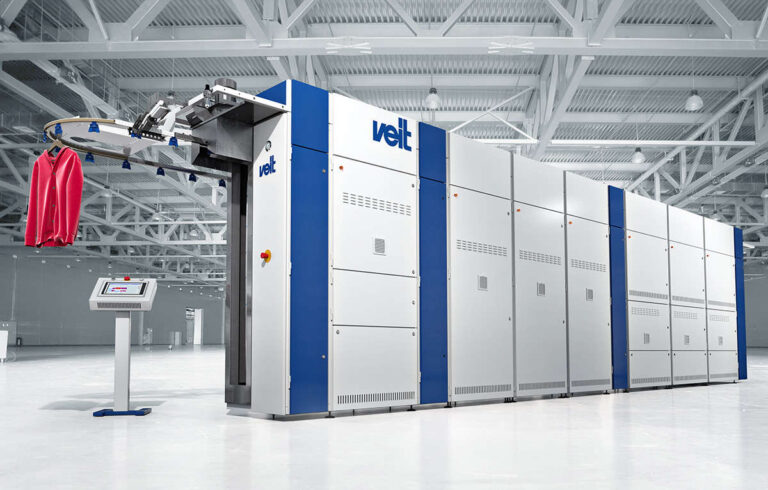
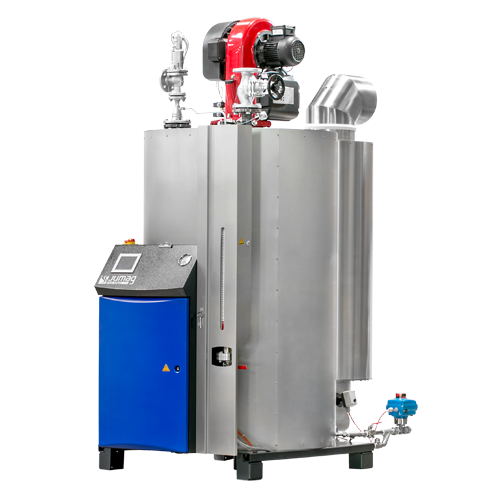
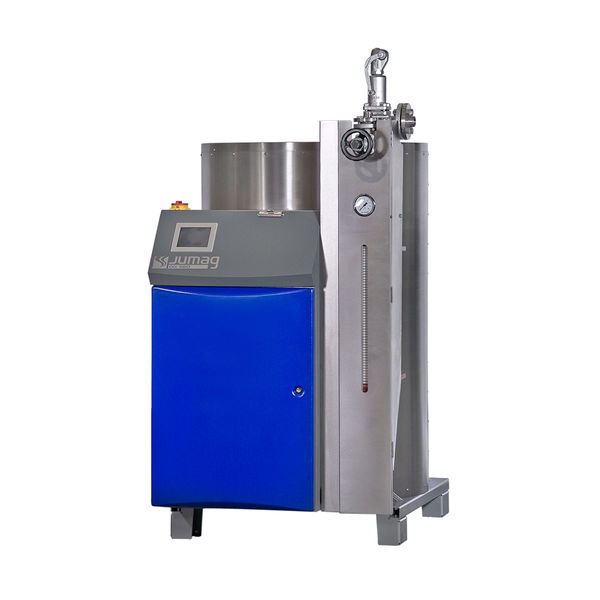
Gas-fired generator producing up to 1,060 kg/h of saturated steam, suited to corrugated board lines with a variable steam requirement.
Generator that uses the hot air flow from other industrial processes to produce the steam needed by corrugated board lines.
Walther Pilot spray guns and systems for controlled adhesive application. Depending on the model and configuration, the equipment can be used with water-based or solvent-based adhesives.
If you’d like to explore the right options for your business, our experts are here to provide clear recommendations and solutions tailored to your needs.
Schedule a phone call or get in touch by email – it’s simple and free.
Texco analyses the process area, the existing installation, the type of paper or board processed, the production rate and the quality requirements of the finished product. The requirements for humidification, steam generation and adhesive application are assessed separately, because they involve different equipment and different sizing criteria.
For humidification systems, the analysis covers the air flow, the initial conditions and the operating regime of the hall. For steam generators, the checks cover the average and peak flow, the pressure the process requires, the operating hours and the water quality. For spraying systems, the calculation takes into account the type of adhesive, its viscosity and the speed of the box forming line.
Humidification systems are integrated into the existing installation or configured for direct distribution. Spraying equipment is adjusted and tested on the actual materials before handover. Integration into the factory’s automation and monitoring systems is checked according to the equipment model and the protocols available.
Texco supplies the technical documentation available for the equipment, the parameter sheets and the test protocols agreed for the project.
Adiabatic systems absorb heat from the air as the water evaporates and can help reduce the temperature while controlling humidity. The effect depends on the initial temperature and humidity, the air flow rate and the capacity of the system, and it does not automatically replace the hall’s cooling installation.
The adhesive type and viscosity, the amount required, the line speed, the application area and the repeatability sought are all taken into account. The configuration is set according to the material and the specific process.
Increasing production speed changes the energy and steam requirement of the process. The required flow and pressure are set together with the other line parameters, such as working width and equipment configuration.
Yes. The printing area, the store and the processes that generate humidity can have different conditions. Each area is assessed on its temperature, humidity, air changes and the requirements of the material processed.
Paper and board absorb and release moisture according to the conditions in the space. Microclimate variations can change the flatness and dimensions of the material, including after processing, which is why conditions in the storage area matter right up to delivery.
The system configuration and settings are determined according to the adhesive, the material and the line speed. Testing on the materials and adhesives used in production makes it possible to check the flow, application evenness and joint behaviour before the final configuration is set.
Our technical experts will get back to you within 4 business hours.
Send us an email and get in touch with our specialists.
Call the numbers below to request a quote or get answers to your questions.
Fill out the form and we'll get back to you with a personalized offer.
Write to us and we will respond as soon as possible.