Automotive

Humidity control, ESD prevention and material processing

in automotive manufacturing

Technical context

Microclimate, ESD and processing accuracy in automotive

In automotive production, the quality of a component depends on control over every stage: from part design and material preparation to cutting, perforating, laminating, applying paints or adhesives and final finishing.

The workflow differs by product. For electronic components, humidity control complements the electrostatic discharge prevention programme. In painting and adhesive application, the microclimate influences how the material behaves and how stable the result is.

For seats, upholstery and other interior elements, what matters is the compatibility between the material, the CAD file and each processing operation.

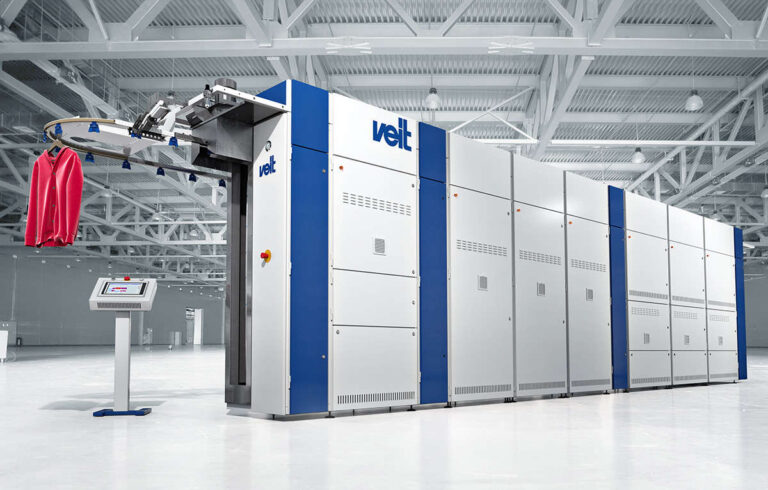
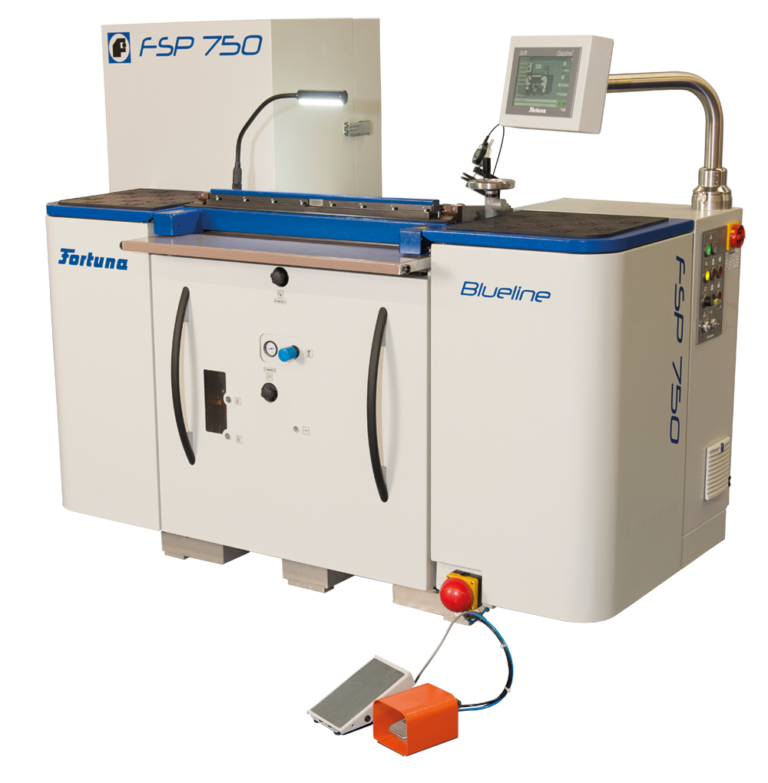
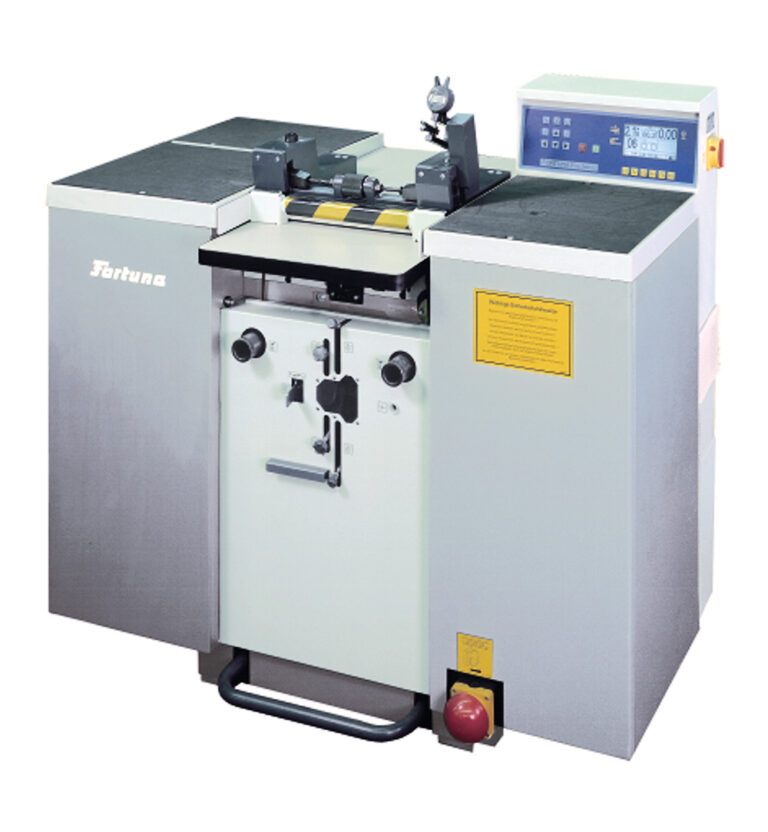
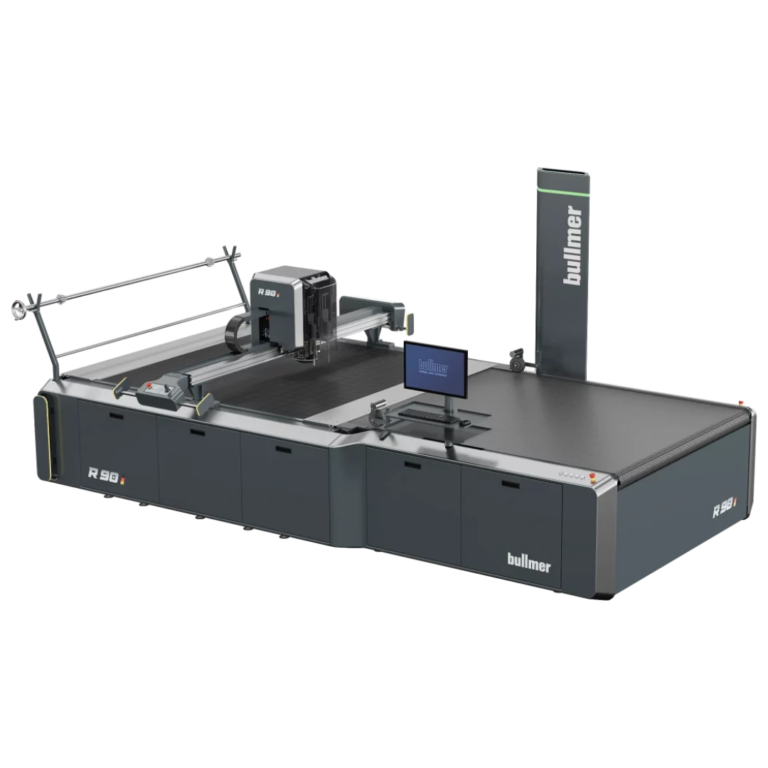
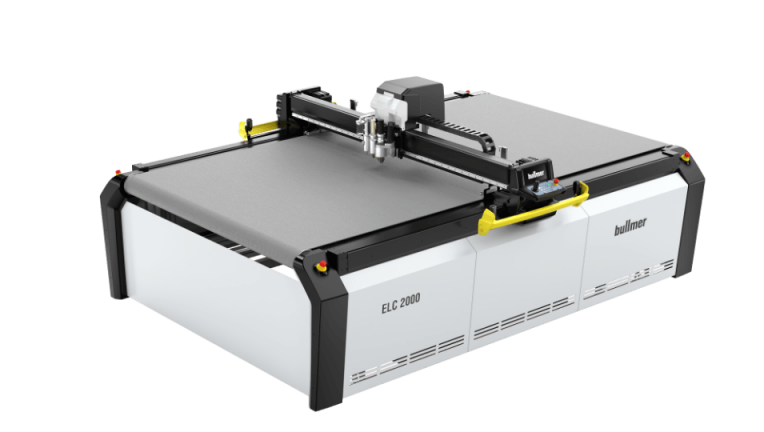
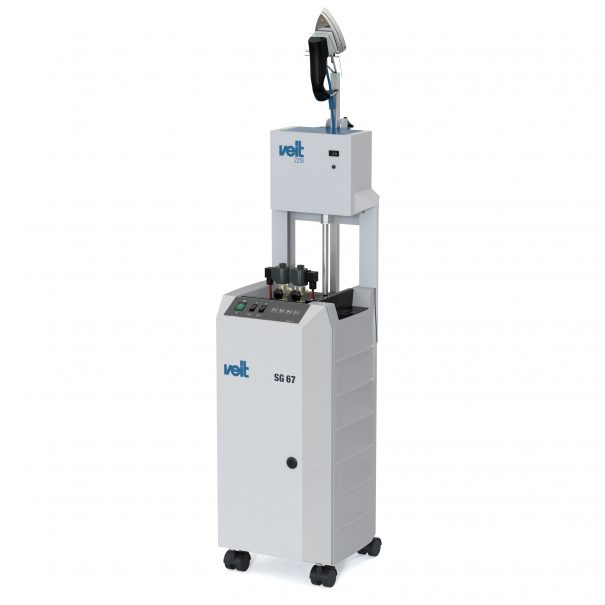
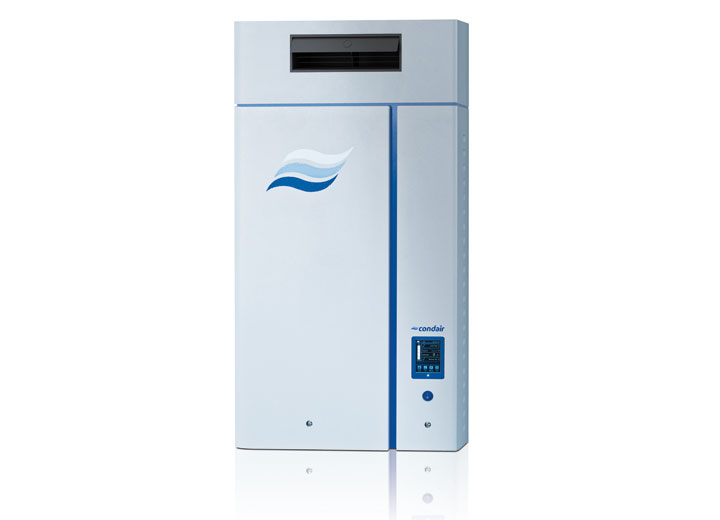
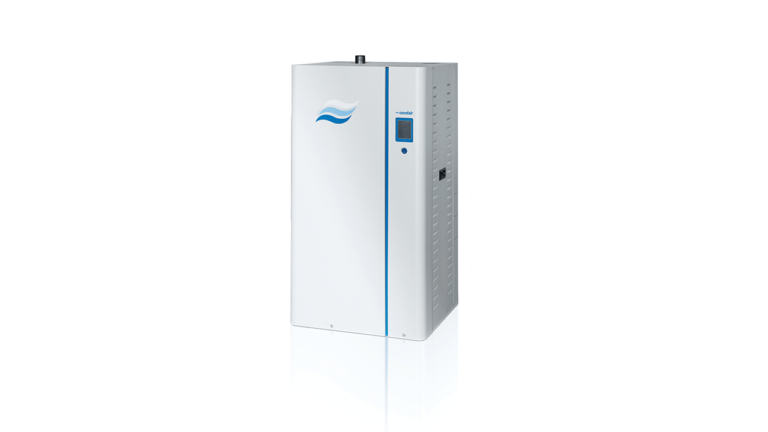
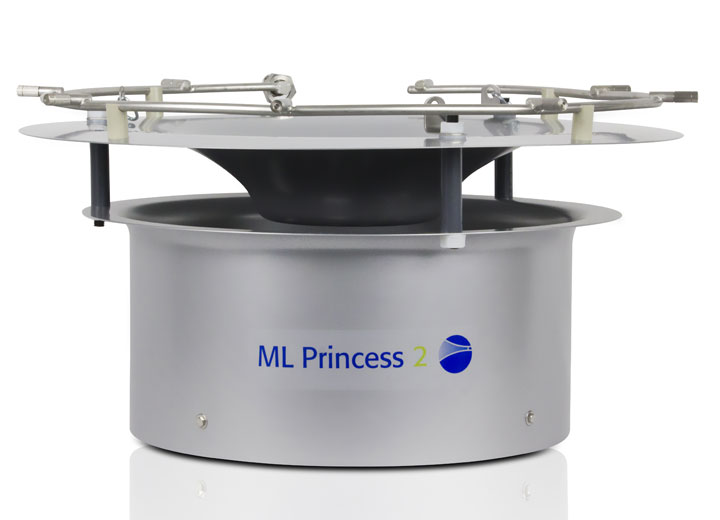
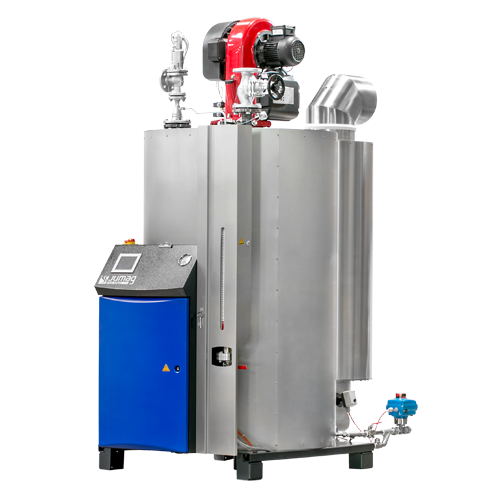
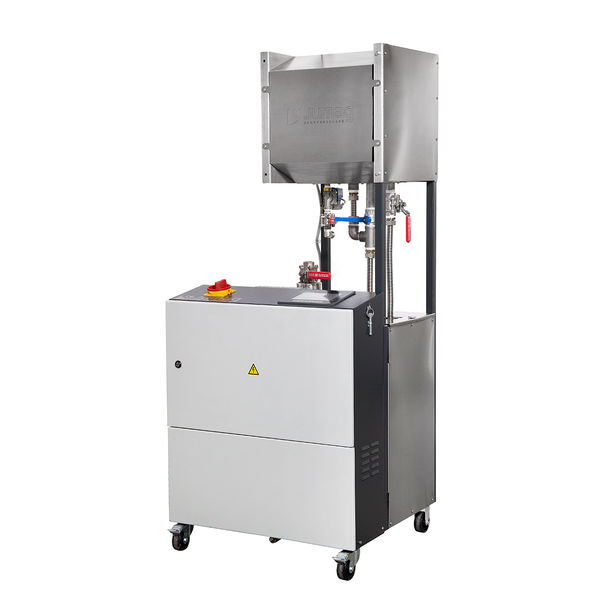
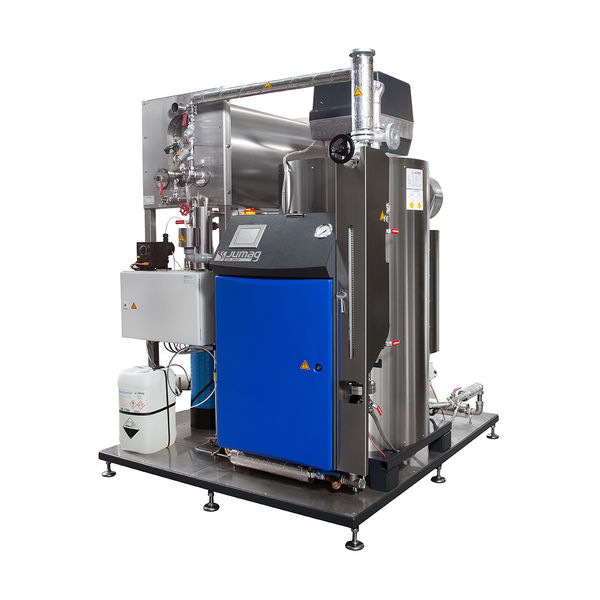
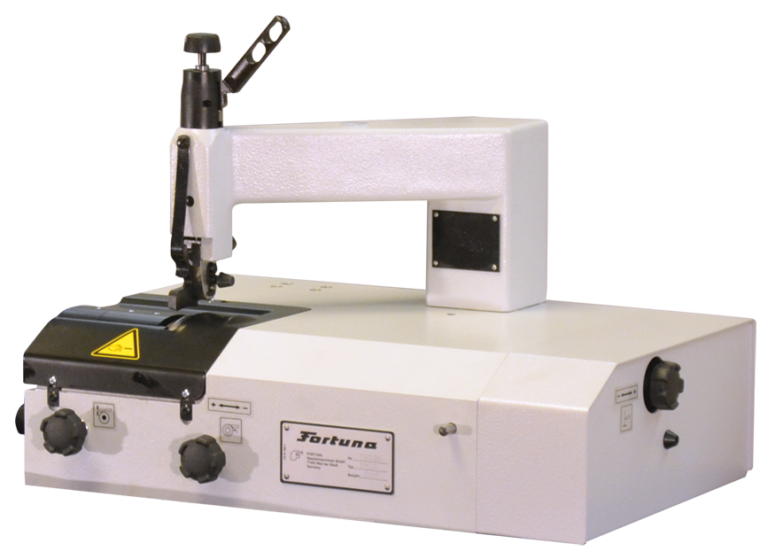
Texco supplies Crea Solution software for design and production preparation, Fortuna, RING, Bullmer and VEIT equipment for material processing, Walther Pilot solutions for applying paints and adhesives, Condair systems for humidity control and JUMAG generators for process steam.

Technical specifications

What matters technically in automotive?

For interior components, the workflow starts from product and material data and continues with preparation, processing, cutting, assembly and finishing. The exact order of perforating, laminating or other intermediate operations is set according to the part being made.
  • Part design and data preparation for production

    CAD files must be prepared for the materials and equipment actually used. What matters is correct pattern import, part definition, orientation on the material, placement rules and lossless data transfer to the cutting stage.
    Before cutting, the parts are laid out on the material so as to leave as little waste as possible. The layout takes into account the material width, areas with defects or different quality levels, the grain or pattern direction and the information needed to identify each part. Material must be saved without affecting the dimensions and tolerances allowed for the finished part.

  • Material preparation and levelling

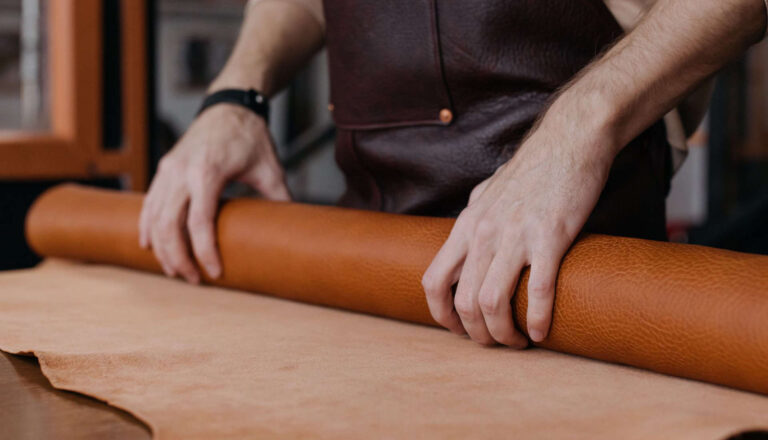
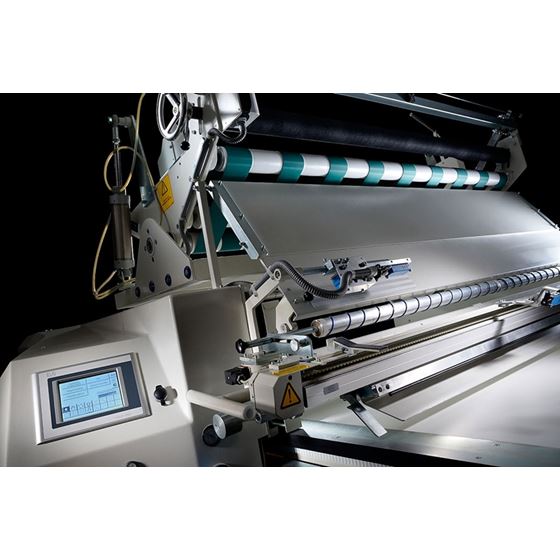
    Natural leather, synthetic materials, technical textiles, foams and laminated materials may require skiving, levelling or other preparation before the next processing step.
    The parameters are set according to the material and part specification. The equipment must be tested on representative variants, including the softest, stiffest, thickest or hardest to feed materials.

  • Perforating, die cutting and laminating

    For seats and other interior elements, perforating, die cutting, embossing or laminating may take place before cutting or at a later stage, depending on the part’s construction. What matters is pattern alignment, material stability, the tool used, the pressure and repeatability between batches.
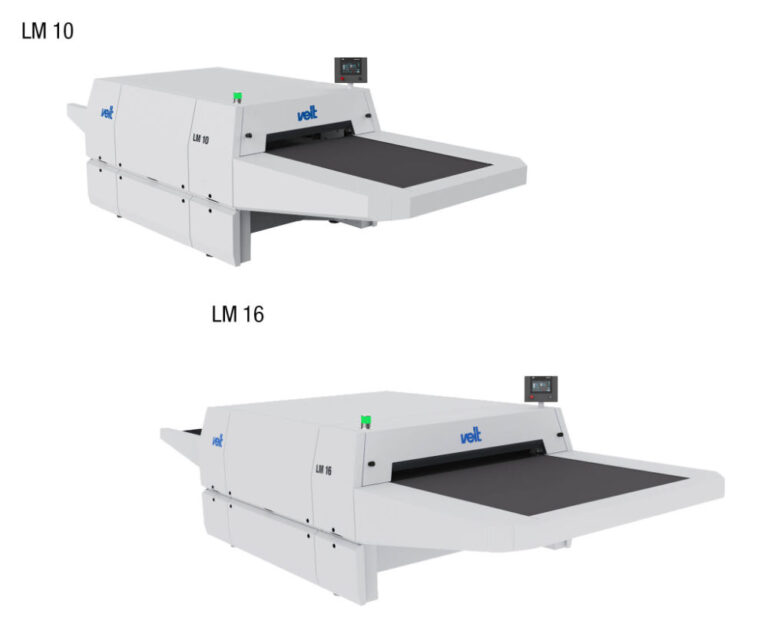
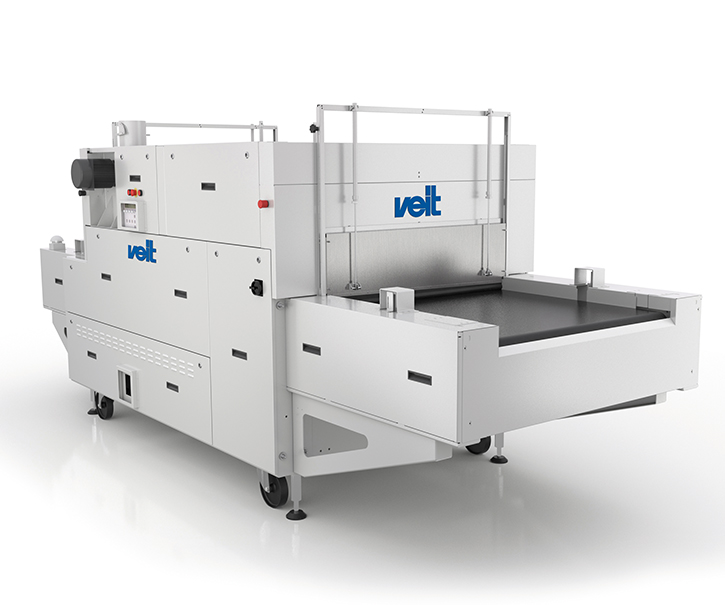
    In laminating, the materials to be joined, the adhesive or coating layer, temperature, pressure, working speed and the way the laminated material will be processed next are checked.

  • Material preparation and automated cutting

    Before cutting, the material must be spread without tension that could change the size of the part after cutting. The configuration differs between single-ply and high-ply cutting, and according to how sensitive the material is.
    Accuracy depends on the cutting tool, hold-down on the work surface, ply height, material feeding and compatibility between the CAD file and the cutter. Tolerances are confirmed by tests on production materials and patterns.

  • Applying paints and adhesives

    The application equipment is chosen according to the material sprayed, viscosity, flow rate, spray pattern, nozzle, feed type and working mode (manual, automatic or robotic). For adhesives, it must be checked whether the process requires spraying, bead or dot application, and whether the material is single- or two-component.
    Temperature, humidity, air flow and extraction can influence evaporation, deposition and film formation. Target values are set according to the material’s technical data sheet and the parameters validated in the process.

  • Final steam finishing

    After assembly, some interior parts may need finishing with steam and controlled air to remove press marks, creases or surface distortion. The configuration is chosen according to the material, part geometry, line speed and intended visual result.

  • Microclimate control and ESD prevention

    Humidity control is a cross-cutting requirement, not an isolated stage of the workflow. It can support the stability of painting, adhesive application and material processing, and can limit the build-up of electrostatic charge in sensitive areas.
    In electronic component production, controlled humidity complements the measures in the ESD programme, such as earthing, protective equipment, ionisation and monitoring of protected areas. The target range is set according to the process, the components and internal control requirements.

Products

Texco equipment for Automotive

Texco supplies equipment for microclimate control and for processing the materials used in components, assemblies and interior elements. The configuration is set according to the specific process, the materials processed, the required capacity and the existing installations.

Consulting

Free consultation

If you’d like to explore the right options for your business, our experts are here to provide clear recommendations and solutions tailored to your needs.

Schedule a phone call or get in touch by email – it’s simple and free.

Explore other industries

Methodology

How Texco works in automotive

Every project starts with a technical analysis of the specific conditions in the factory. Microclimate and processing requirements are analysed separately, because they involve distinct systems.
  • Process analysis

    Microclimate and humidity control. Texco analyses the space and the process served, the air flow rate and path, the initial conditions, the target parameters, the operating regime, the water and energy supplies and the existing installation.

    Applying paints and adhesives. The material’s technical and safety data sheets, viscosity, flow rate, application type, line speed and intended result are checked.

    Material preparation and processing. For CAD, the file formats, the rules for placing parts on the material and the link to the production equipment are checked. For skiving, thickness levelling, perforating, laminating, material spreading, cutting and finishing, the material, part geometry, required capacity and target tolerances are analysed.

    Process steam generation. The average and peak flow, pressure, operating hours, number of starts, water quality, condensate recovery, energy source and distance to the points of use are checked.

  • Choosing and sizing the solution

    Microclimate and humidity control. Based on the information analysed, the system capacity and the distribution and positioning of the equipment are determined.

    Applying paints and adhesives. It is decided whether application will be manual, automatic or robotic, and the equipment needed for feeding, dosing, spraying and extraction is selected.

    Material preparation and processing. The equipment and programs are chosen according to the material type, the operations required, the production volume, product changeovers and the required accuracy.

    Process steam generation. The generator and auxiliary equipment are sized separately from the humidification systems, according to the consumption and pressure the process requires.

  • Testing and validation

    Microclimate and humidity control. The operating parameters are checked under the conditions set for the project.

    Applying paints and adhesives. Where the project allows, the configuration is tested on the actual material or a representative material. The final settings are determined according to the result obtained.

    Material preparation and processing. Where possible, the equipment is tested on representative files, materials and parts. Each operation has its own acceptance criteria.

    Process steam generation. During commissioning, the pressure, flow and operation of the equipment are checked in the configuration set for the project.

  • Installation, commissioning and support

    For each project, responsibilities for installation, connection, automation and commissioning are agreed. Texco supplies the available technical documentation, the agreed parameters and support for the equipment delivered.

    For humidification systems, some equipment may have interfaces compatible with a BMS or SCADA. Texco checks the communication options and supplies the technical information available. Integration into the building’s BMS is carried out by the automation system integrator.

Technical support

Frequently asked questions

  • What humidity level should be maintained in an automotive paint booth?

    The range is set according to the technical data sheet of the paint or coating, the air temperature and flow rate, the booth configuration and the parameters validated in the process. There is no single value suitable for all paints, parts and installations.

  • No. Controlled humidity can limit the build-up of electrostatic charge, but it complements the company’s ESD programme. Earthing, protective equipment, ionisation, monitoring and internal procedures remain necessary.

  • The tolerance is set according to the material, the part drawing and the subsequent operations, such as sewing, bonding or assembly. Before choosing the equipment, the result must be validated on the materials actually used in production.

  • Some equipment may be BMS-compatible, depending on the model, configuration and available communication protocol. TEXCO can check the equipment interface and supply the necessary technical information, but does not carry out the building’s BMS integration. That is the responsibility of the automation system integrator.

  • The duration depends on the type of equipment, the complexity and size of the project, the existing installations and the work each supplier is responsible for. Texco can estimate the duration once it knows the project details.

  • The project can include a single piece of equipment or several complementary solutions. The configuration is set according to the process, the existing installations, the operations to be integrated and the responsibilities of each supplier involved.

Have questions about products for this industry?

Our technical experts will get back to you within 4 business hours.

Contact us by email

Send us an email and get in touch with our specialists.

Contact us by phone

Call the numbers below to request a quote or get answers to your questions.
    Informatii solicitant: