Hospitals and medical clinics

Humidity control and steam generation

for hospitals and medical clinics

Technical context

Microclimate requirements by zone in a hospital

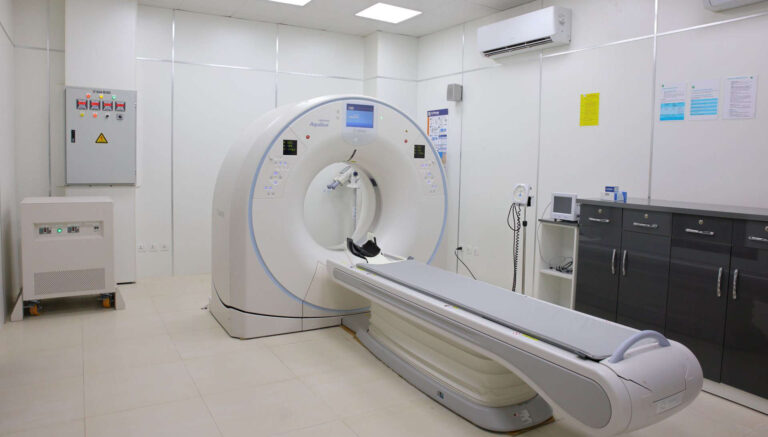
Hospitals and medical clinics bring together spaces with different functions and technical requirements. The operating suite, intensive care units, burn patient rooms, laboratories and storage areas require microclimate control matched to the activity carried out there, while instrument sterilisation and laundry operations require dedicated sources of process steam.

The Romanian hospital building design code NP 015-2022 sets specific requirements for the different categories of medical spaces.

Temperature and humidity values, the need for a dedicated system and the configuration of the installation are determined separately for each zone.

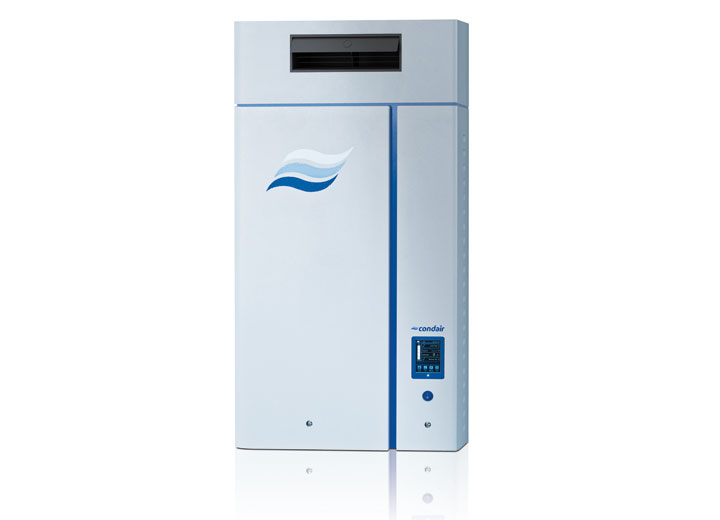
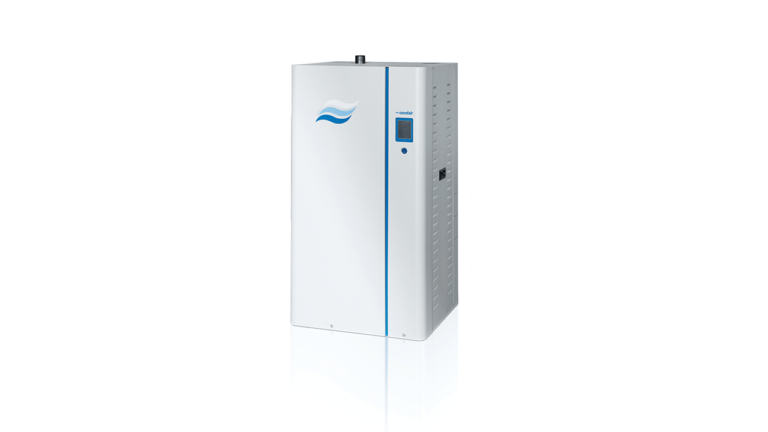
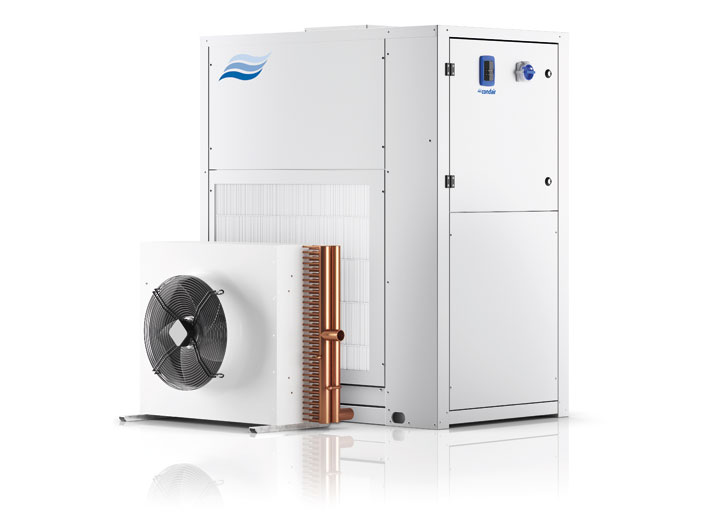
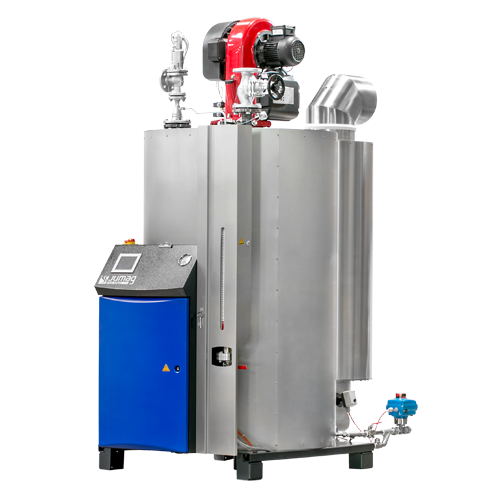
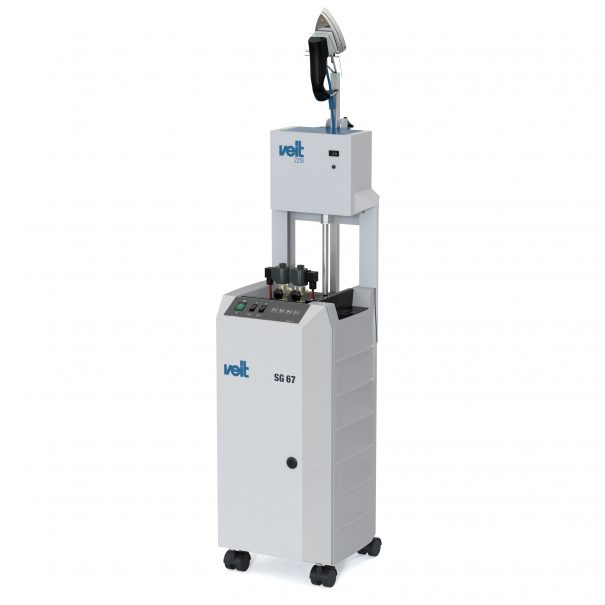
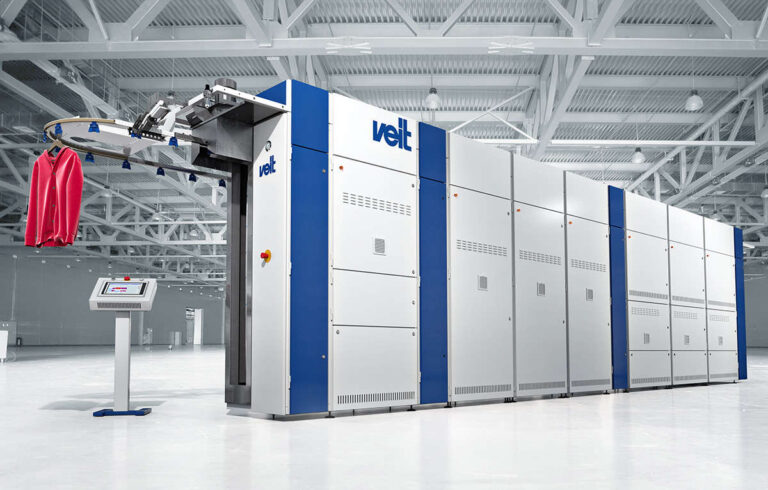
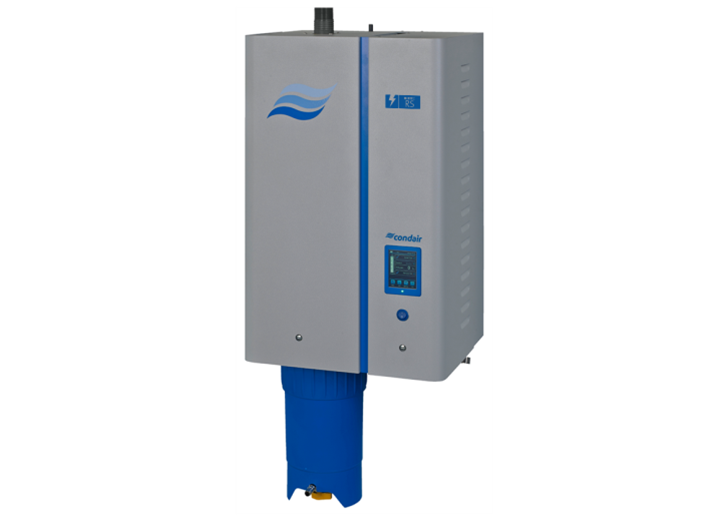
Texco supplies Condair systems for precision humidification and dehumidification, as well as JUMAG and VEIT steam generators for medical and technical applications that require a dedicated steam source.

Technical specifications

What matters technically in hospitals and medical clinics

Humidity is set by the HVAC design. The code explicitly rules out humidification by spraying water into the air stream.
  • Temperature and humidity in operating rooms

    In operating rooms, temperature and humidity are set according to the type of procedure, the characteristics of the space and the medical requirements. For operating rooms, NP 015-2022 specifies a temperature range of 20–24°C and a relative humidity of 30–60%. The values targeted in operation are established by the design, in line with the HVAC installation and with the provisions applicable to each zone.
    For air conditioning systems that require air humidification, NP 015-2022 does not permit humidification by spraying water into the air stream, because of the risk of forming and spreading colonies of pathogenic microorganisms. In critical zones, the humidification technology is chosen according to the hygiene requirements and the configuration of the installation.

  • The factors that influence temperature and humidity

    Sizing a humidification system is not based on room floor area alone. The calculation starts from the HVAC air flow rate, the proportion of outdoor air, the outdoor design conditions, the temperature and humidity required indoors, the operating schedule and the control accuracy set by the design.
    The function of the space directly influences the parameters being targeted. An operating room, an intensive care unit and a burn patient room have different requirements, even though they are in the same building.

  • ESD protection for medical electronic equipment

    Anaesthesia machines, monitors, imaging equipment and electronic consoles are sensitive to electrostatic discharge, including when it causes no immediately visible damage.
    Keeping humidity within controlled limits helps reduce the build-up of electrostatic charge and complements the measures set out in the hospital’s ESD programme. The target value is established according to the type of equipment, the operating conditions and the technical requirements of the space.

  • Integrating humidity control into the HVAC system

    In critical medical spaces, microclimate control is tied to the way the HVAC system is designed and operated. Air flow rate, filtration, differential pressures and the direction of air flows must be matched to the requirements of each zone. The design must also account for the position of the equipment, steam distribution, absorption distance, water and power supply, drainage, sensor placement, access for maintenance and integration into the building management system.

  • Process steam for sterilisation and laundry

    The steam used for air humidification and the process steam required for autoclaves, sterilisation or laundry meet different requirements and are sized separately.
    Autoclaves and hospital laundry equipment require a steam source with stable pressure and flow. The requirement is calculated in kg of steam per hour, based on the consumption of the connected equipment, the degree of simultaneous use, the operating hours and the peak loads.

  • Humidity control in storage areas

    Storage areas for medicines, medical supplies and sterile instruments require temperature and humidity conditions suited to the type of products kept there. Humidity control helps protect packaging, prevent condensation and maintain the storage conditions specified for each product category.

    Target values are established according to the characteristics of the stored materials, the manufacturer’s instructions and the requirements applicable to the space. Depending on the existing conditions, the solution may involve humidification, dehumidification or continuous humidity monitoring.

Products

Texco equipment for hospitals and medical clinics

Consulting

Free consultation

If you’d like to explore the right options for your business, our experts are here to provide clear recommendations and solutions tailored to your needs.

Schedule a phone call or get in touch by email – it’s simple and free.

Explore other industries

Methodology

How Texco works in hospitals and medical clinics

The analysis starts from the zone being served, because the operating suite, the burn unit, sterilisation and storage have entirely different requirements. Humidification is sized according to the HVAC air flow rate and the control accuracy the design calls for, while steam is sized separately, according to peak flow and pressure.
  • Technical analysis

    Texco analyses the zone being served, the existing installation, the parameters required by the design brief and the specific requirements of the medical activity. The operating suite, the intensive care unit, the burn patient room, the laboratory, the storage area and the laundry are each assessed separately.
    The requirements for humidification, dehumidification and process steam generation are established separately, because each application involves different calculation data and different criteria for selecting the equipment.

  • Sizing and choosing the configuration

    For humidification systems, the analysis covers the HVAC air flow rate, the proportion of outdoor air, the required temperature and humidity, the operating regime and the control accuracy.
    For dehumidification, the checks cover the volume of the space, the existing temperature and humidity, the target value, the sources of moisture and the air changes.
    For steam generators, the calculation covers the average and peak flow, the required pressure, the consumption of the connected equipment, the degree of simultaneous use and the operating hours.

  • Installation, configuration and commissioning

    Humidification and dehumidification systems are integrated into the HVAC installation or configured for direct distribution, depending on the design. Commissioning includes setting the parameters and configuring the equipment interface.
    Where the design calls for centralised monitoring, TEXCO supplies the data and interfaces available for the equipment, and integration into the building’s BMS is carried out together with the automation specialist.

  • Technical documentation and support

    Texco supplies the technical documentation available for the equipment, the parameter sheets and the documents relating to installation and commissioning, in line with the configuration and the requirements of the design.

Technical support

Frequently asked questions

  • How is the humidity level set for the different spaces of a hospital?

    The target value is established according to the intended use of the space, the medical requirements and the parameters set by the HVAC design. The operating suite, the intensive care unit, burn patient areas, storage areas and technical spaces may have different requirements and must be assessed separately.

  • Whether a dedicated system is needed depends on the parameters required for that particular room and on the configuration of the HVAC installation serving it. The solution is established by the design, according to the air flow rate, the existing conditions and the control accuracy required.

  • Patients with extensive burns can lose significant amounts of water and heat through the injured surface, and the microclimate conditions may differ from those needed in a standard operating room. The values are established according to the medical requirements and the design of the installation.

  • The analysis covers the volume of the space, the HVAC air flow rate, the existing temperature and humidity, the target value, the operating regime and the control accuracy required by the design. The system configuration is established in relation to the installation serving that particular zone.

  • The capacity is established in kg of steam per hour, according to the consumption of the connected equipment, the required pressure, the degree of simultaneous use and the consumption peaks. The sizing must account for how the installation is actually operated.

  • Yes. The operating suite, the intensive care unit, storage areas for medicines and medical supplies or other spaces may have different conditions and target values. Depending on the existing situation and the requirements of each zone, the solution may involve humidification, dehumidification or separate control of the two functions.

Have questions about products for this industry?

Our technical experts will get back to you within 4 business hours.

Contact us by email

Send us an email and get in touch with our specialists.

Contact us by phone

Call the numbers below to request a quote or get answers to your questions.

    Informatii solicitant: