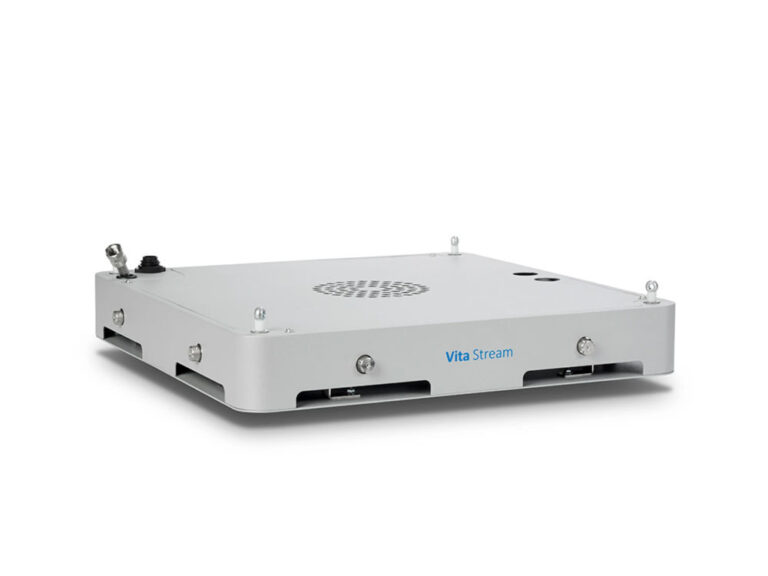
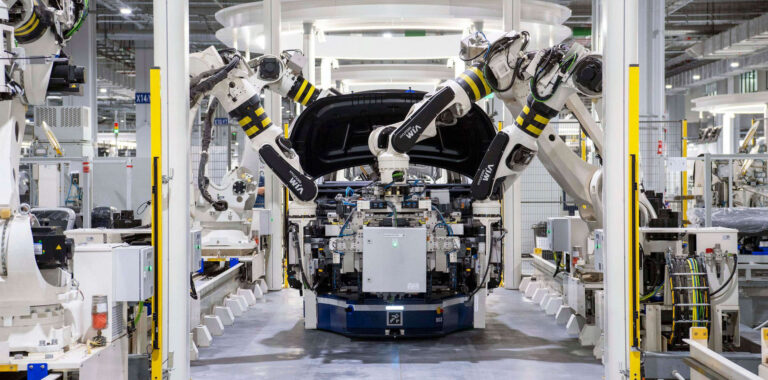
Humidification system Condair Vita Stream
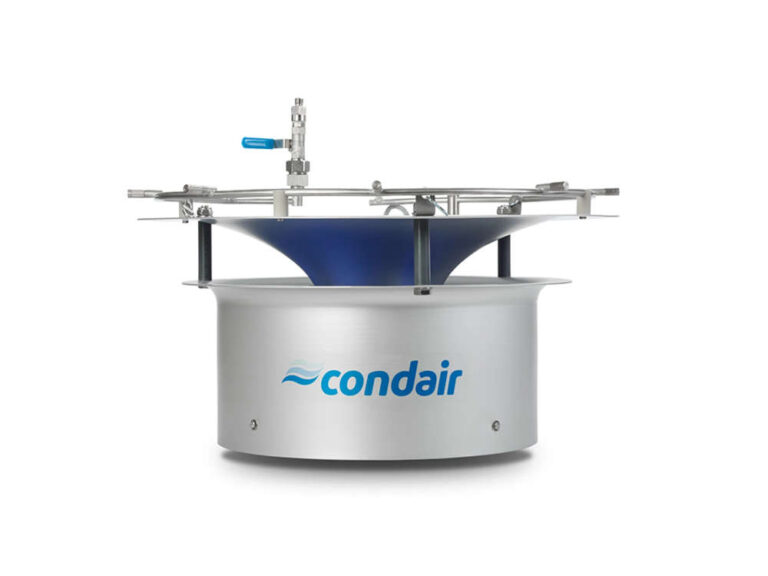
High-pressure humidification system with ceiling-level mounting, for production halls with high ceilings and a high humidification requirement.
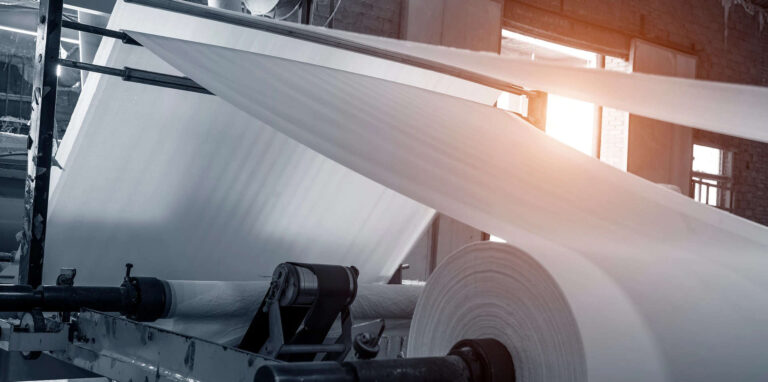
Paper and board change their behaviour as the humidity in the hall varies. Cellulose fibre constantly absorbs and releases moisture, and this exchange influences reel flatness, slitting and winding accuracy, and dimensional stability in printing and converting processes.
Requirements differ between reel storage, converting and finishing areas, and the points where the product comes into direct contact with process steam.
A storage hall with unstable humidity encourages paper curl and distortion, affecting how reels are handled and processed, while overly dry air at the winding and packing lines increases the risk of static electricity.
Texco supplies Condair systems for humidity control and dehumidification, JUMAG steam generators for process applications in the paper and pulp industry, and solutions for distributing existing steam in mills that already have working steam installations.
In pulp mills, the solutions relevant to Texco relate to controlling excess humidity in areas with high moisture loads and to generating process steam for the processes that use it. Sizing starts from the working temperature, the moisture load, the air flow rate and the steam requirement. If the mill has a source of waste heat, using it to generate steam can also be assessed.
Areas close to the paper machine and to wet processes, such as coating, can operate at high humidity and produce condensation on metal components, window frames and ceiling structures. Controlling condensation in these areas means coordinating ventilation, vapour extraction and, where the moisture load requires it, dehumidification. This can reduce the risk of corrosion and damage to finishes.
In mills where waste heat is available from other processes, using it to generate process steam can be assessed. Feasibility depends on the temperature, flow and availability of the heat source, as well as on the mill’s steam requirement. Separately, sizing the generator to the actual load and consumption profile influences fuel consumption and operating costs.
Temperature influences the moisture exchange between paper and air and must be assessed together with relative humidity. Maintaining stable conditions in storage and production helps preserve the dimensional properties of the material.
Paper and board reels stored in unstable humidity conditions can suffer distortion and curl. In many paper and board applications, a level of around 45–55% RH helps limit dimensional variation and the problems caused by overly dry air. The exact target value is set according to grammage, fibre furnish and the requirements of the downstream processes.
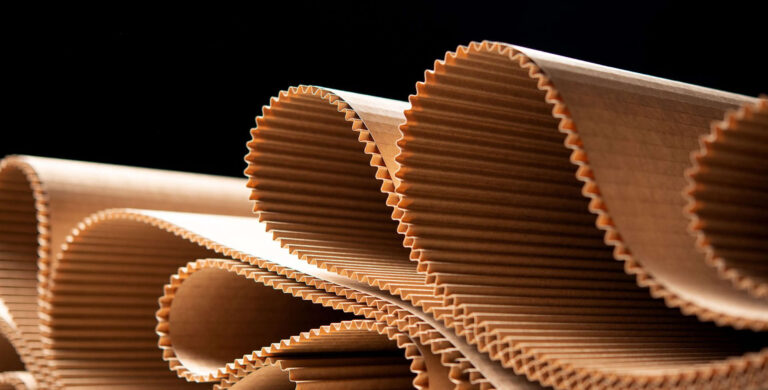
In corrugated board manufacturing, steam is used to heat and condition the paper, making flute formation and bonding easier. The requirement is calculated in kg of steam per hour, based on the consumption of the connected equipment, the pressure the process requires, the degree of simultaneous use and the peak loads on the converting lines.
In operations where steam comes into direct contact with paper or board, the quality and dryness fraction of the steam must be matched to the process requirements. Condensate or impurities carried by the steam can affect the material and the process, depending on the application. The steam source must be sized and maintained according to the requirements of these operations.
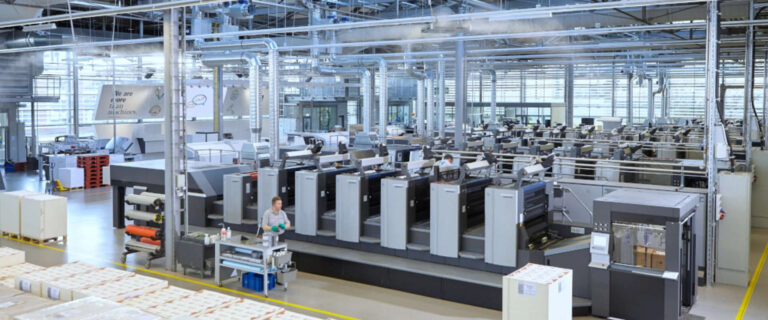
Paper expands and contracts as its moisture content varies. In multicolour printing, these variations cause register problems between colours. In corrugated board packaging, the same variations can affect sheet flatness and warp, as well as creasing accuracy. Maintaining constant humidity in the printing and converting hall reduces the rejects arising from these causes.
The high unwinding speed of the paper web generates electrostatic charge, especially at low humidity. The accumulated charge can cause sheets to stick together, attract dust to the surface, lead to incorrect feeding of the material and cause machine stoppages. Controlled humidity complements the earthing and ionisation measures already in place in the installation.
High-pressure humidification system with ceiling-level mounting, for production halls with high ceilings and a high humidification requirement.
Modular high-pressure system whose capacity can be adapted and extended by configuring the number of nozzles.
High-capacity system for direct humidification and evaporative cooling of industrial halls with a high humidification requirement.
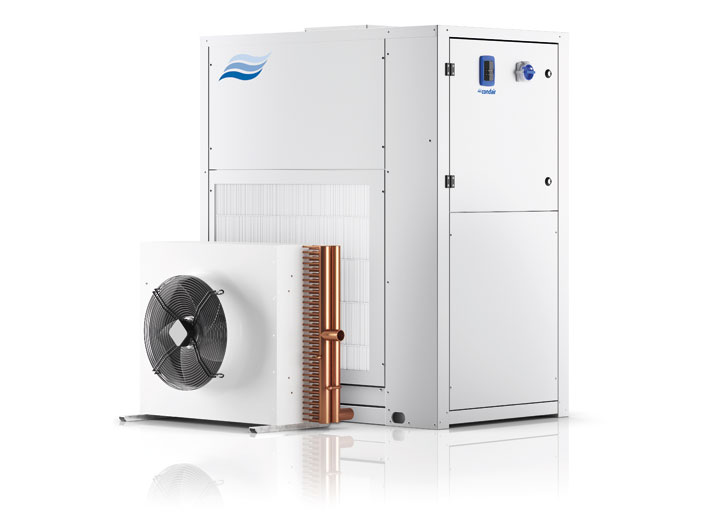
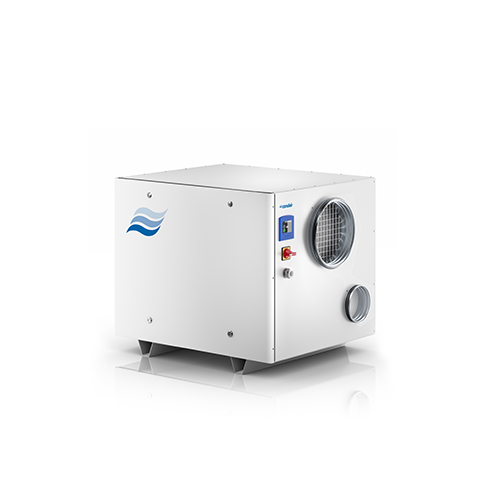
Condensation dehumidification system for high-humidity areas close to wet processes.
Desiccant dehumidifier for applications that require low and stable humidity to be maintained, including where condensation dehumidification is not sufficient.
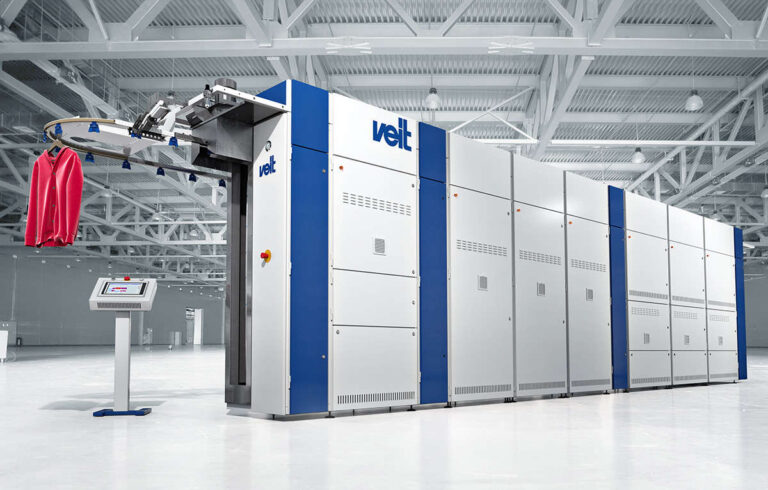
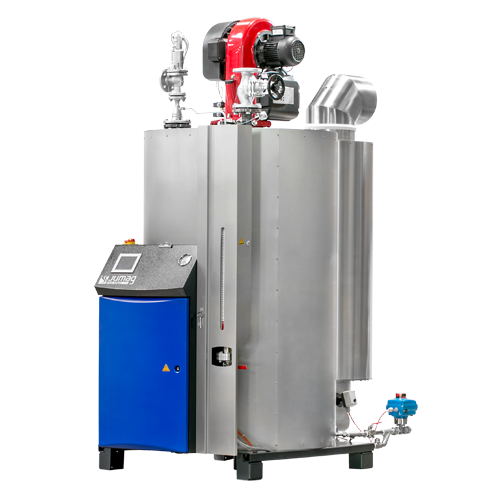
Gas-fired steam generator with a capacity of up to 1,060 kg/h and a heat-up time of around 5 minutes, suited to applications with a variable steam requirement.
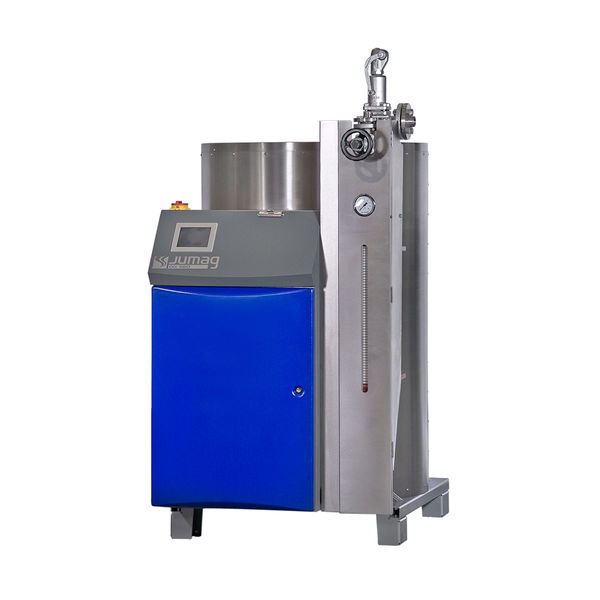
Generator that uses waste heat available from other mill processes to generate steam.
If you’d like to explore the right options for your business, our experts are here to provide clear recommendations and solutions tailored to your needs.
Schedule a phone call or get in touch by email – it’s simple and free.
For humidity control, Texco analyses the storage and processing areas, the existing temperature and humidity, the air changes, the moisture sources and the conditions each stage requires.
For steam generation, Texco analyses the connected consumers, the existing installation, the steam requirement and any waste heat sources available in the mill.
For humidification and dehumidification, the calculation takes into account the hall volume, the air flow rate and path, the initial conditions, the target value and the moisture load of each area.
For steam generators, the checks cover the average and peak flow, the required pressure, the degree of simultaneous use, the operating hours and the feedwater quality. Recovering waste heat is assessed according to the temperature, flow and availability of the source.
Humidification and dehumidification systems are integrated into the existing installation or configured for direct distribution in the hall, depending on the design. For models with compatible interfaces, Texco checks the communication options and supplies the technical information the BMS or SCADA integrator needs.
Steam generators are configured and tested at the pressure and flow parameters set for the process.
For Condair equipment, Texco supplies the available technical documentation, the configuration parameters and the information on control and communication.
For Jumag equipment, Texco supplies the generator documentation, the operating parameters and the information needed to connect it to the steam installation.
Sizing involves analysing the volume of the space, the air changes, the temperature, the current humidity and the target value, the moisture sources and the operating conditions of the process. Storage, converting and production areas may require different configurations.
The assessment starts from the existing conditions and the parameters the process requires. Paper stores and converting areas may need control of dry air, while areas close to wet processes may need control of excess humidity and condensation.
Yes, if the existing installation can provide the steam flow, pressure and quality the distribution system requires. In this configuration, the steam already available in the mill can be used, without installing a source dedicated solely to humidification.
The capacity is calculated in kg of steam per hour, according to equipment consumption, the required pressure, the degree of simultaneous use and the consumption peaks in production.
When the mill has a waste heat source whose temperature, flow and availability suit the application. The configuration is determined after analysing the heat source and the actual steam requirement.
Maintaining stable conditions limits paper distortion and shrinkage, register problems, the build-up of electrostatic charge and incorrect feeding of the material. The actual effect depends on the type of paper, the process stage and the initial conditions in the hall.
Our technical experts will get back to you within 4 business hours.
Send us an email and get in touch with our specialists.
Call the numbers below to request a quote or get answers to your questions.
Fill out the form and we'll get back to you with a personalized offer.
Write to us and we will respond as soon as possible.