Soft Cad Crea Solutions
Software for pattern design and grading, marker making and optimizing material consumption.
The textile garment industry relies on a production flow in which each stage influences the quality of the final product. From pattern design and material cutting to fusing, pressing, finishing and packaging, all processes must be precise, fast and repeatable.
At the same time, conditions in the production hall play an essential role. Humidity and temperature influence the behavior of textile fibers, the level of static electricity, cutting precision and the quality of finishes.
Maintaining a controlled microclimate helps reduce defects, material losses and production downtime.
Texco offers complete solutions for textile garment factories: CAD systems and automatic cutting equipment, fusing, pressing and finishing machinery, packaging systems, steam generators and professional humidity control equipment. Together, these optimize the production flow and ensure consistent product quality.
Natural fibers, such as cotton, wool and linen, and synthetic fibers react differently to humidity variations. Humidity control can limit moisture loss from fibers, the buildup of electrostatic charges and variations in material behavior. The target value is set based on the fiber type, process stage, temperature and the requirements of the finished product.
In series production, the precision of the cutting system has a direct impact on material consumption. An error of a few millimeters, repeated across the layered plies, can cause material losses and rejects during assembly. Automatic CAM cutting systems, connected to CAD software, optimize the positioning of pattern pieces and material consumption.
Each type of material and each fusing adhesive has an optimal temperature window. A temperature that’s too low doesn’t activate the adhesive properly, while one that’s too high degrades the fiber or leaves an unwanted shine on the material. Depending on the model, fusing equipment allows temperature, pressure and belt speed to be adjusted, and some configurations also offer separate control by heating zone.
Equipment selection starts from the material’s technical data sheet and safety data sheet, viscosity, flow rate, application type, line speed and the desired result. Whether the application is manual, automatic or robotic is determined separately.
Industrial pressing and finishing on dummies depend on a steam supply that is stable in pressure and flow rate. Pressure fluctuations, condensate and insufficiently dry steam can cause finishing variations and extend work cycles. The steam source is sized based on the specific consumption of the equipment and peak simultaneous demand. Fusing is controlled separately, through temperature, pressure and contact time or belt speed.
Interphase pressing opens and sets the seams between sewing stages, while final finishing removes creases and finalizes the shape of the product. Pressure, steam, vacuum, tensioning and drying air are configured according to the material, product and operation.
The configuration is determined based on the product type, folding method, packaging material and line speed. Automation must preserve the shape and appearance the product achieved during final finishing.
Correctly sized steam generators and adjusting consumption to actual demand reduce energy losses. In high-volume factories, the efficiency of the steam supply and the duration of pressing and finishing cycles directly influence production cost.
Software for pattern design and grading, marker making and optimizing material consumption.
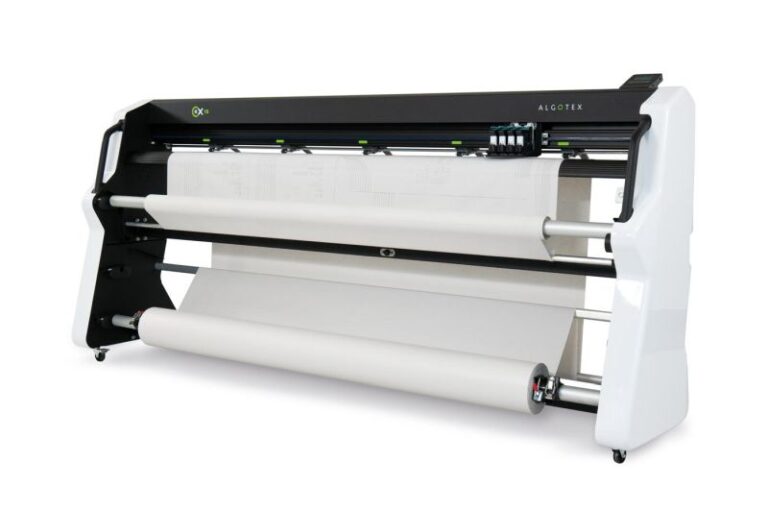
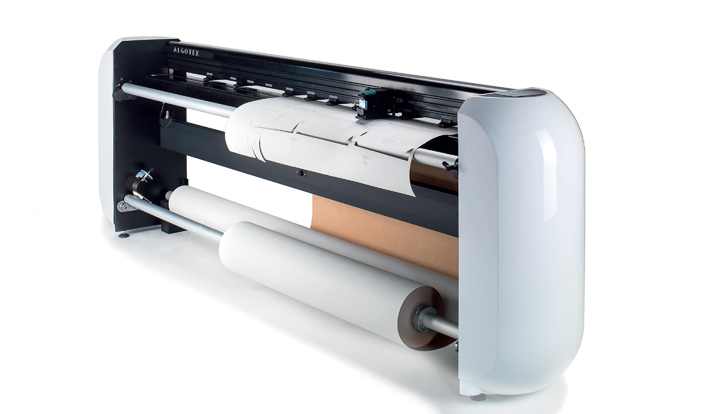
Plotter with cutting function, for printing and cutting patterns on paper or cardboard.
1:1 scale pattern printing plotter, designed for garment workshops and factories
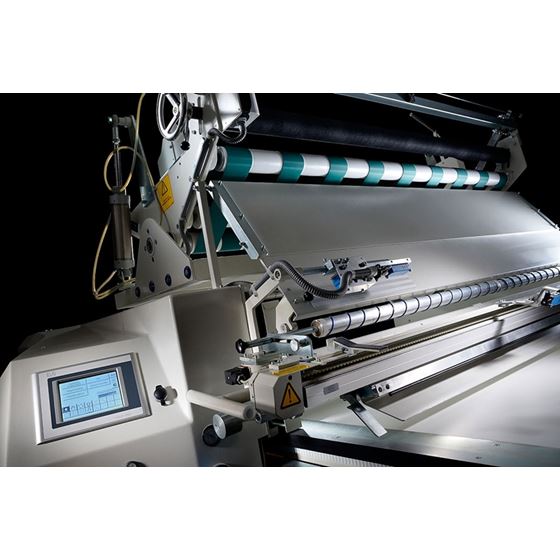
Automatic spreading of material in multiple layers, for preparing the ply before cutting and reducing manual operations.
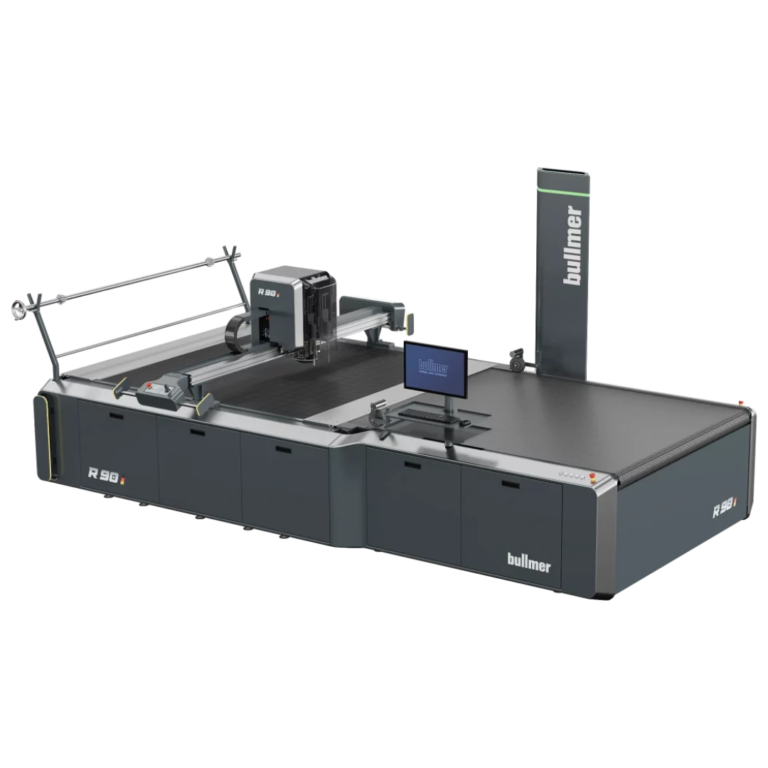
Automatic system for precise cutting of textile materials spread in multiple layers, suited to high-volume industrial production.
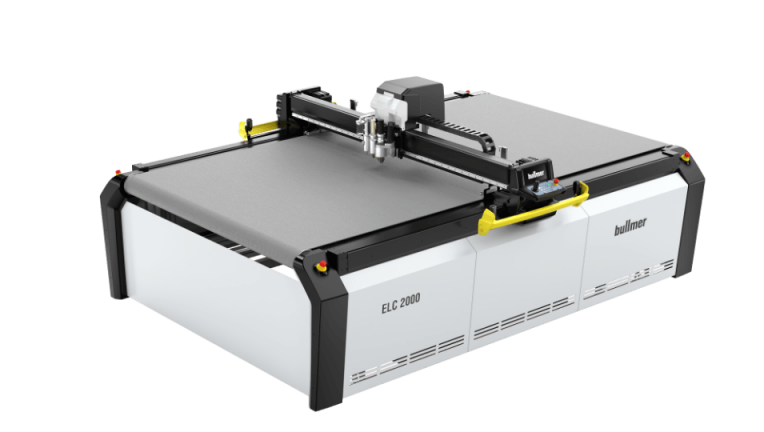
Modular single-ply cutter, suited for samples, short runs, customized products and materials requiring high flexibility.
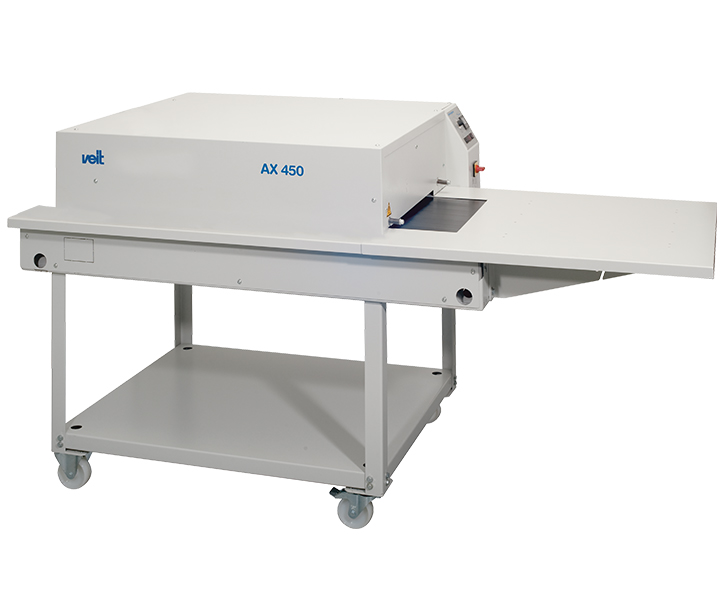
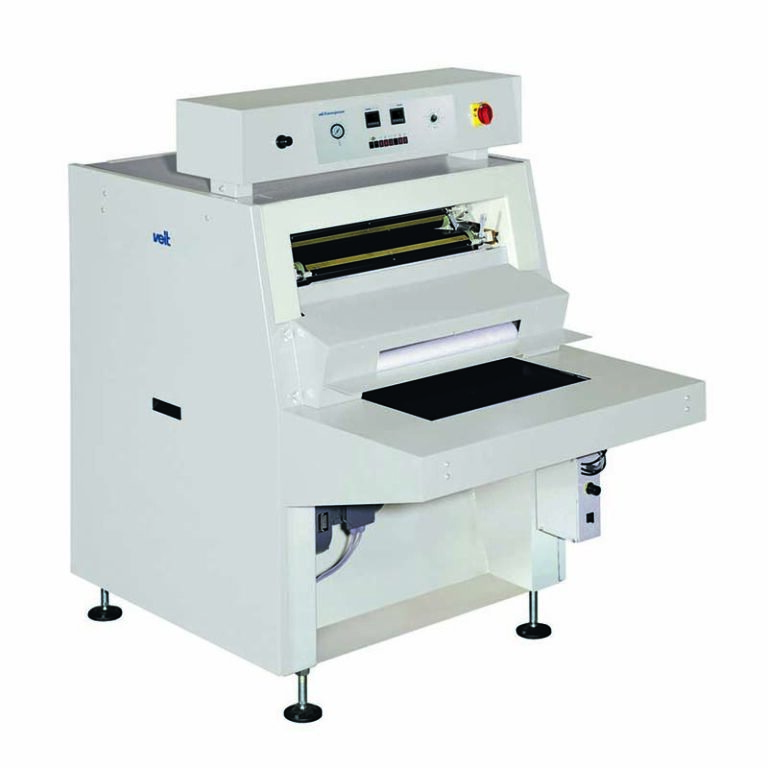
Conveyor belt equipment with electronic temperature and speed control, for repeatable fusing of pattern pieces.
Continuous belt equipment for fusing medium-sized pattern pieces.
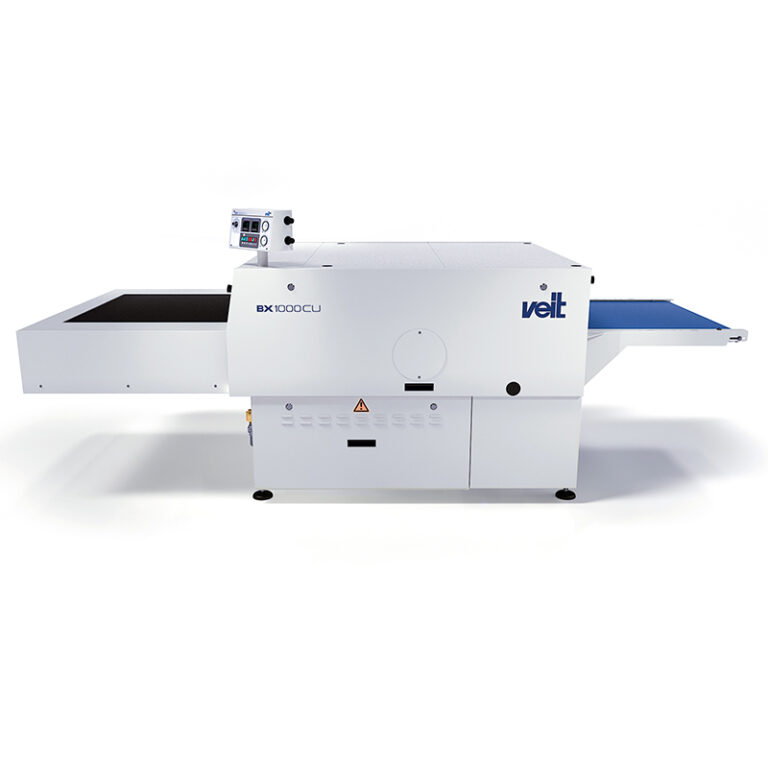
Fusing line available in different configurations and widths, to adapt to the volume and size of the pattern pieces processed.
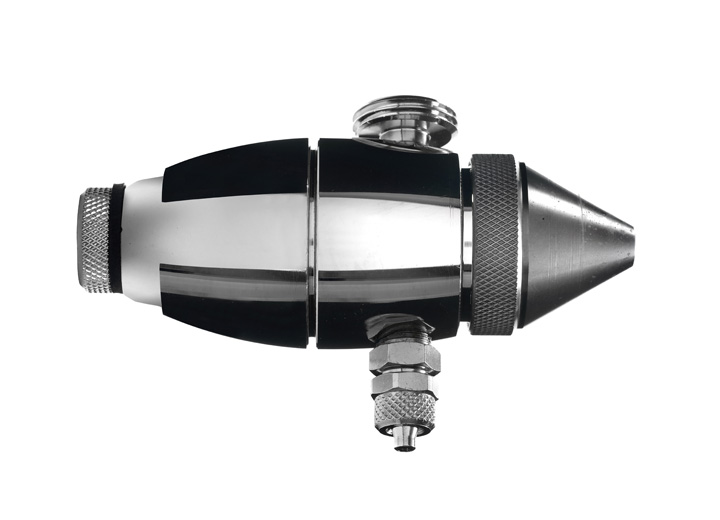
Equipment for the controlled application of adhesives, finishing solutions and other sprayable materials used in production.
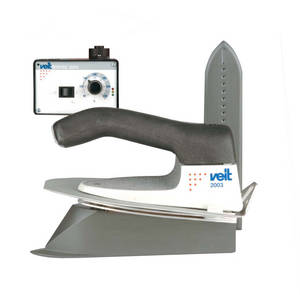
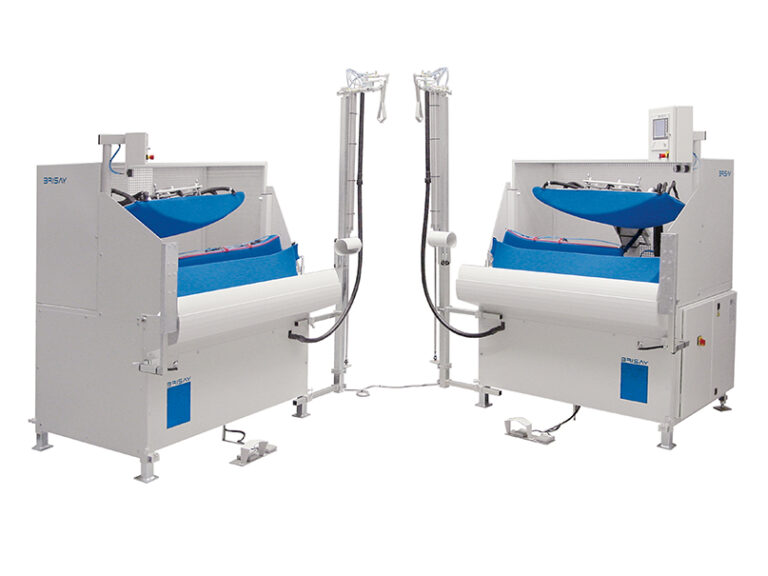
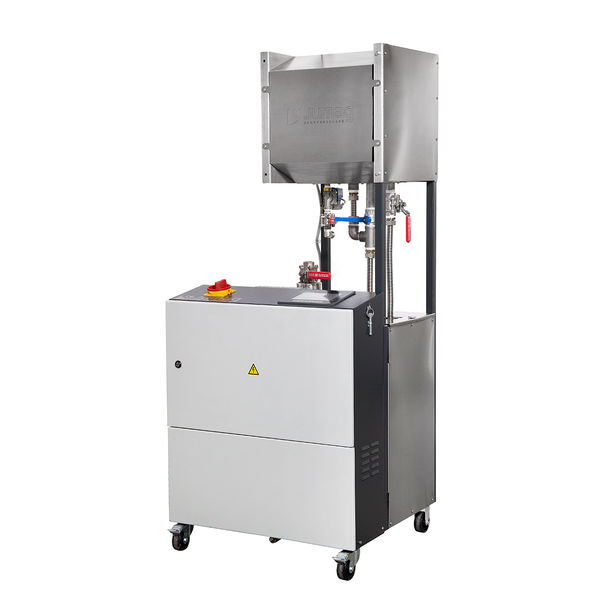
Professional iron with electronic temperature control, for opening and setting seams between sewing phases.
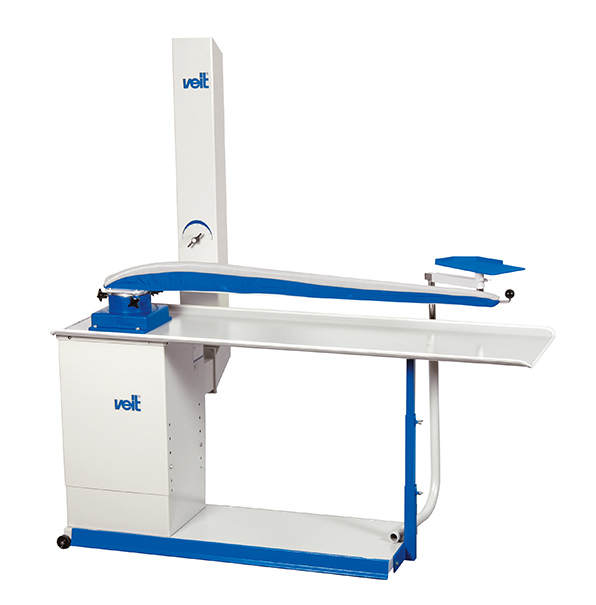
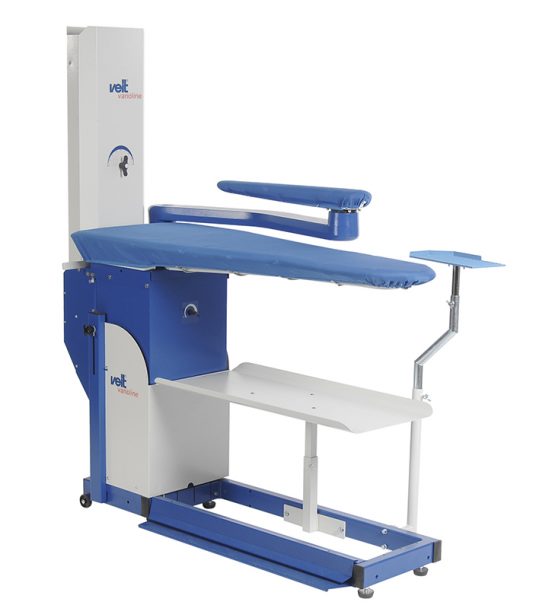
Universal table for opening seams and interphase operations on different types of products.
Universal press for repetitive interphase operations, with parameters adapted to the product and material being processed.
Professional finishing table, with integrated vacuum extraction and blower, for drying the material, stabilizing the shape and reducing the risk of unwanted shine.
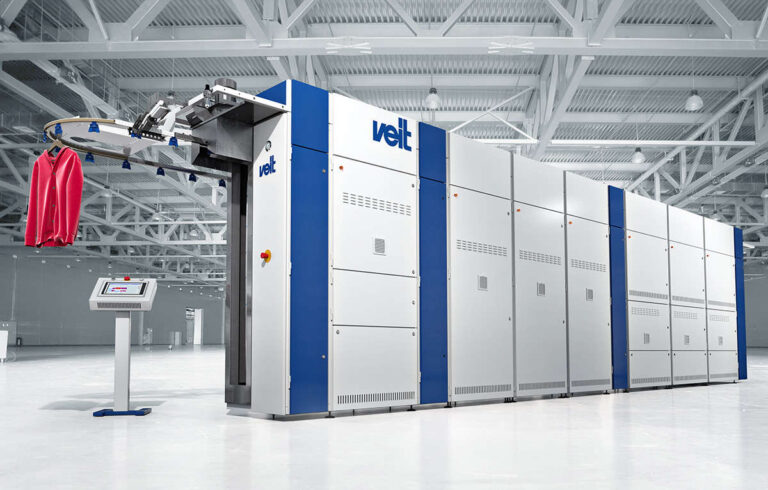
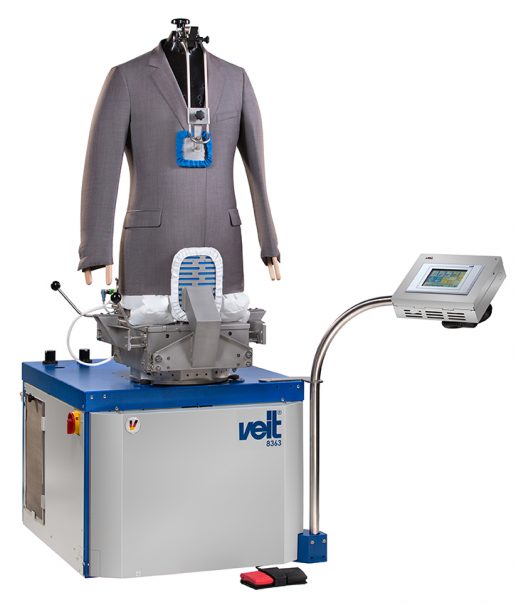
Automatic finishing through steam, tensioning and drying air, for coats, jackets and structured-shape products.
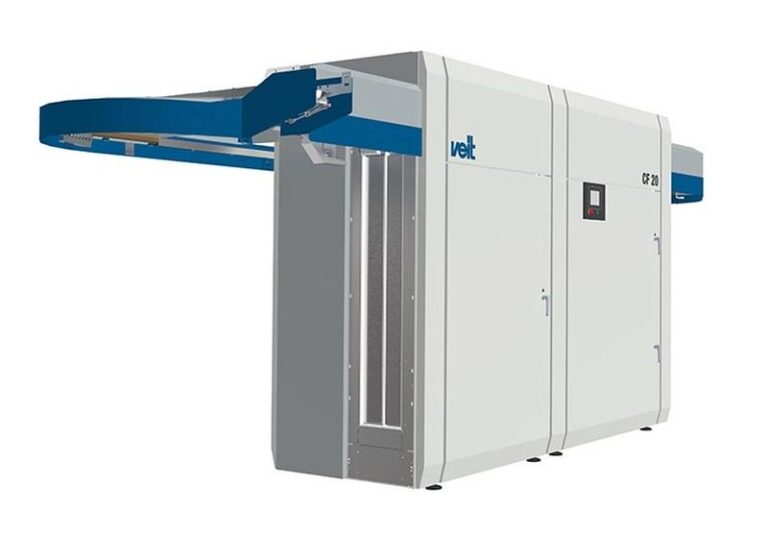
Continuous-flow finishing, with steam and hot air, for high volumes of clothing items.
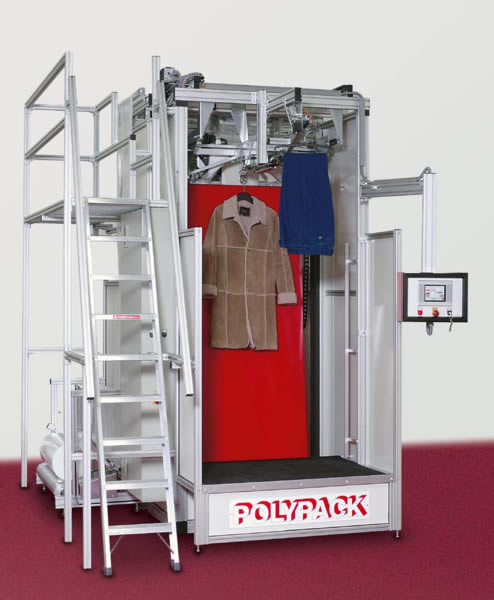
Automatic system for packaging finished products in high-volume flows.
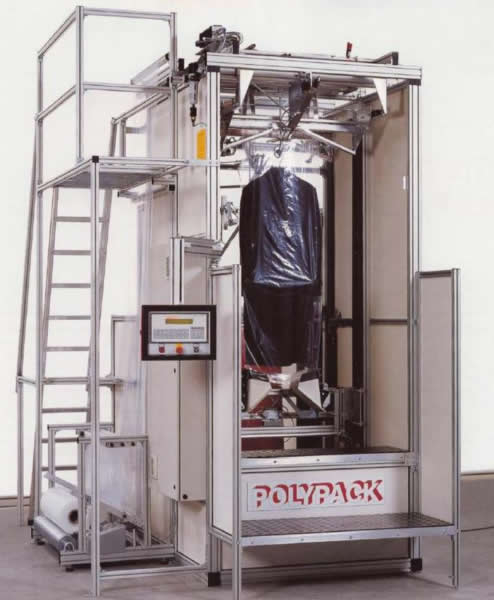
Automatic packaging solution for medium production capacities.
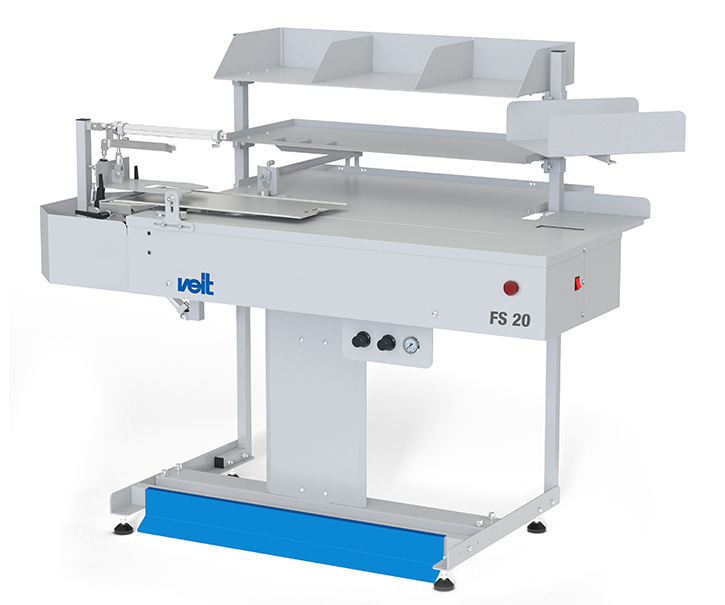
Station for standardized folding of shirts before packaging.
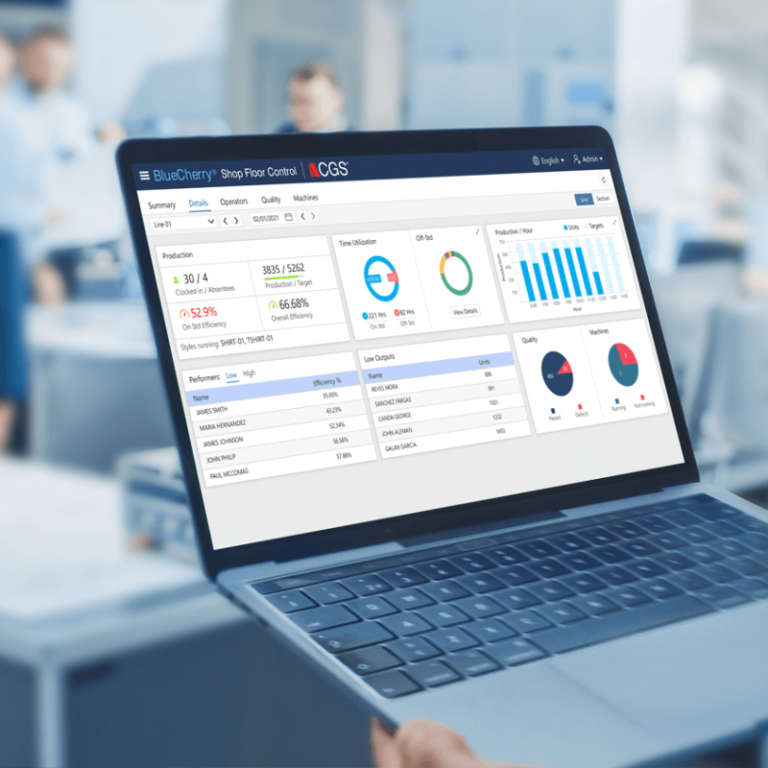
Software for monitoring operations, tracking progress and planning production at the line level.
Compact electric generator, suited for factories without a gas supply or for installations located close to the points of use.
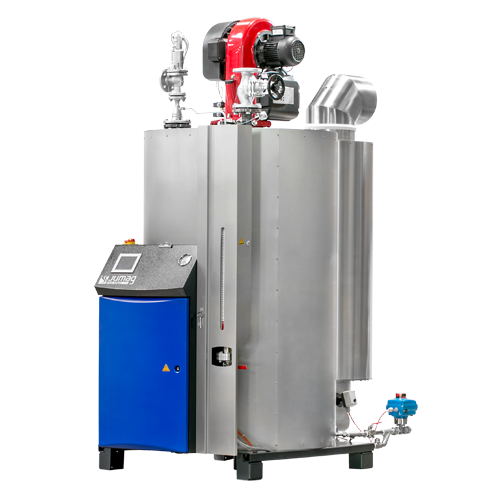
Generator powered by gas or liquid fuel, designed for installations with high steam demand.
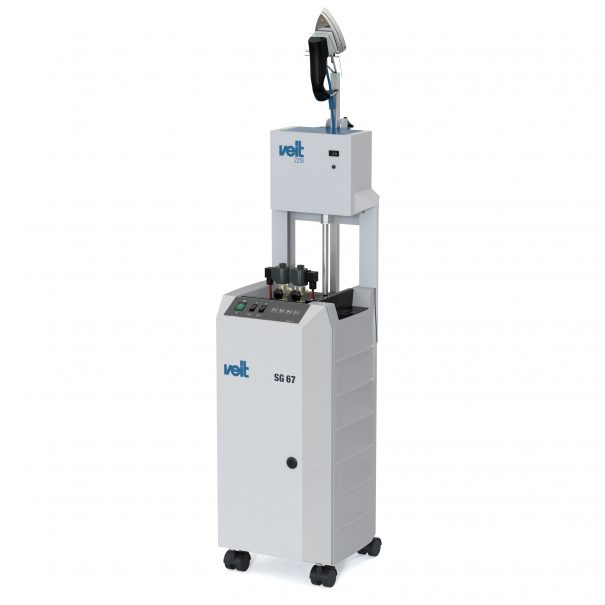
Electric generator for supplying pressing and finishing equipment, suited to configurations with multiple points of use.
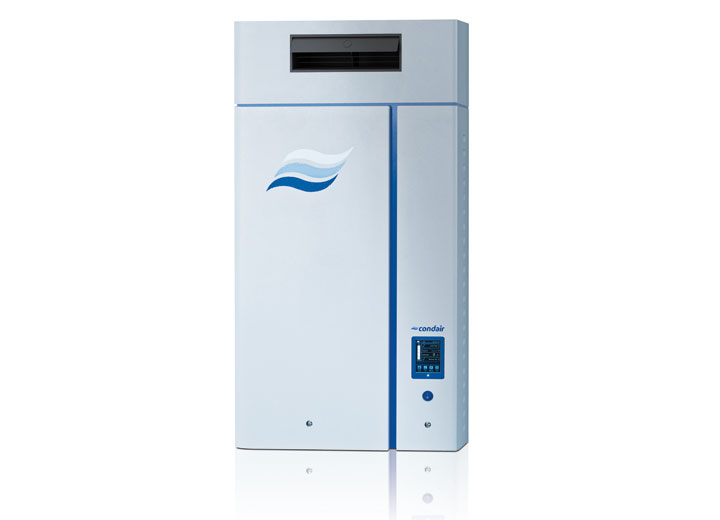
Electric steam humidifier for precise humidity control and integration into air treatment systems.
Adiabatic system using water and compressed air, for direct humidification of industrial halls.
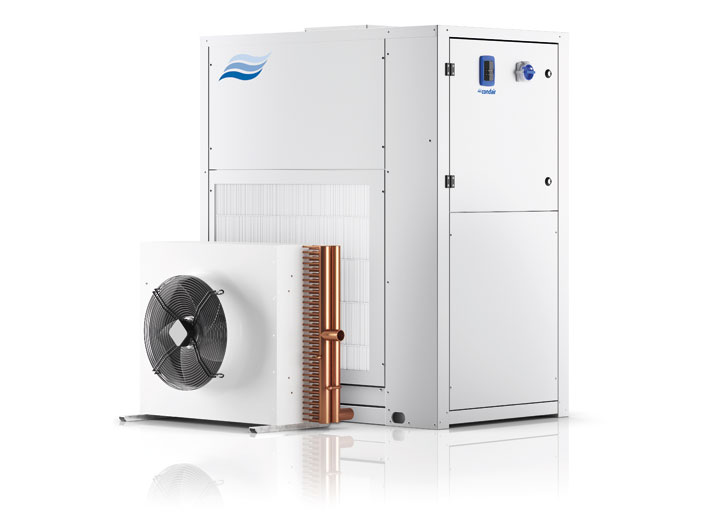
Condensation dehumidification system, for controlling excess humidity in production spaces.
If you’d like to explore the right options for your business, our experts are here to provide clear recommendations and solutions tailored to your needs.
Schedule a phone call or get in touch by email – it’s simple and free.
Texco analyzes the current flow, material types, production volume, hall configuration and the design, spreading, cutting, fusing, interphase pressing, finishing and packaging operations. Steam requirements, the microclimate and spraying applications are assessed separately.
Steam generators are sized based on the specific consumption of the equipment, the degree of simultaneous use and peak loads. Humidification and dehumidification systems are calculated based on the hall volume, air exchange rates and operating conditions, while cutting and finishing equipment is selected according to material, hourly volume and the operations required.
Spraying systems are configured based on the material applied, viscosity, flow rate, application method and line speed, while packaging equipment is chosen according to the product, folding method and required capacity.
The equipment is installed and commissioned by specialized technical teams. Pressure, temperature and flow rate parameters are checked at the points of use, and the equipment is calibrated and integrated into the existing production flow.
The documentation provided includes the equipment’s technical data sheets, installation diagrams, operating parameters and the information needed for operation and preventive maintenance.
Interphase pressing is done between sewing stages, to open and set the seams. Final pressing removes creases and finalizes the product’s shape before packaging.
Yes, if it provides the necessary pressure and flow rate, including at peak simultaneous demand. An undersized installation can cause fluctuations and uneven finishing.
Capacity is calculated in kg of steam per hour, based on equipment consumption, simultaneous use and the required pressure.
Yes, if the file formats and software versions are compatible with the CAM system. Compatibility is checked before the line is configured.
Temperature, pressure and belt speed are set based on the material, interlining and adhesive. Parameters are tested before series production.
Yes. Even though synthetic fibers absorb less moisture than natural ones, humidity control can reduce the buildup of electrostatic charges and improve material handling during spreading and cutting.
Our technical experts will get back to you within 4 business hours.
Send us an email and get in touch with our specialists.
Call the numbers below to request a quote or get answers to your questions.
Fill out the form and we'll get back to you with a personalized offer.
Write to us and we will respond as soon as possible.