Leather and leather goods

Skiving, splitting, die cutting and automated cutting

for leather goods production

Technical context

Key points

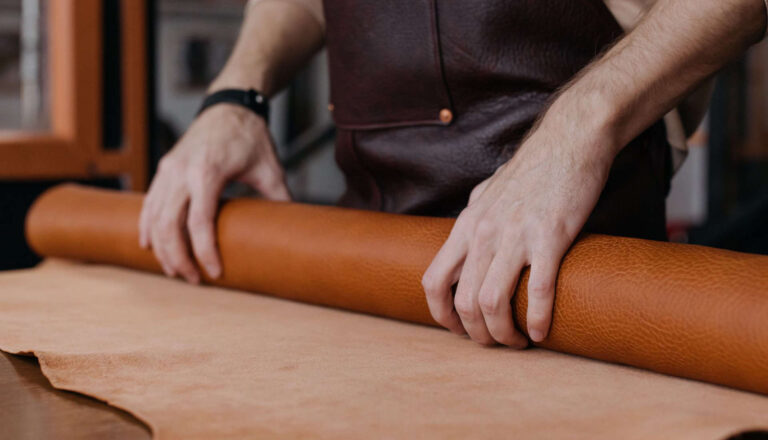
The production of footwear, bags, belts, covers and upholstery elements requires control over material thickness, cutting accuracy and leather consumption. Local edge skiving, thickness levelling by splitting, die cutting and cutting are adapted to the type of leather and the part being processed.
The microclimate influences the flexibility, dimensional stability and appearance of the leather in the workshop and the store.

Humidity variations can affect both processing and the storage of the raw material.

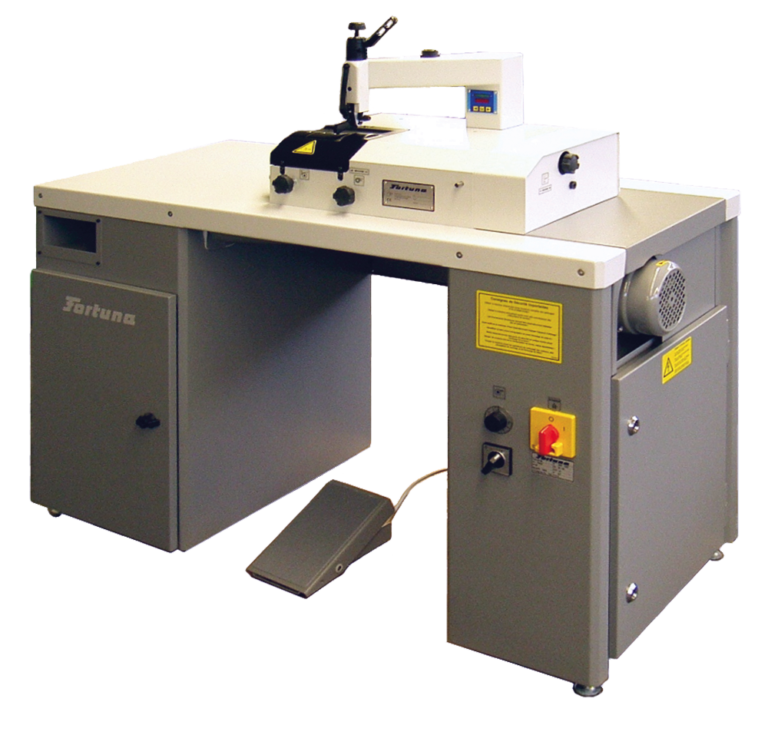
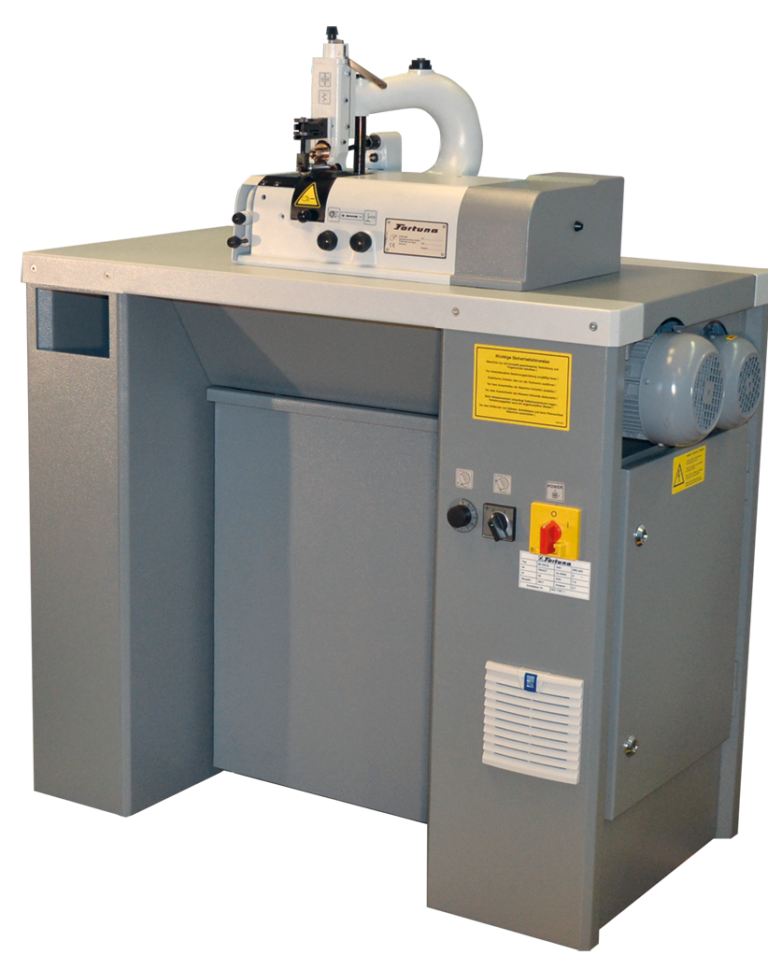
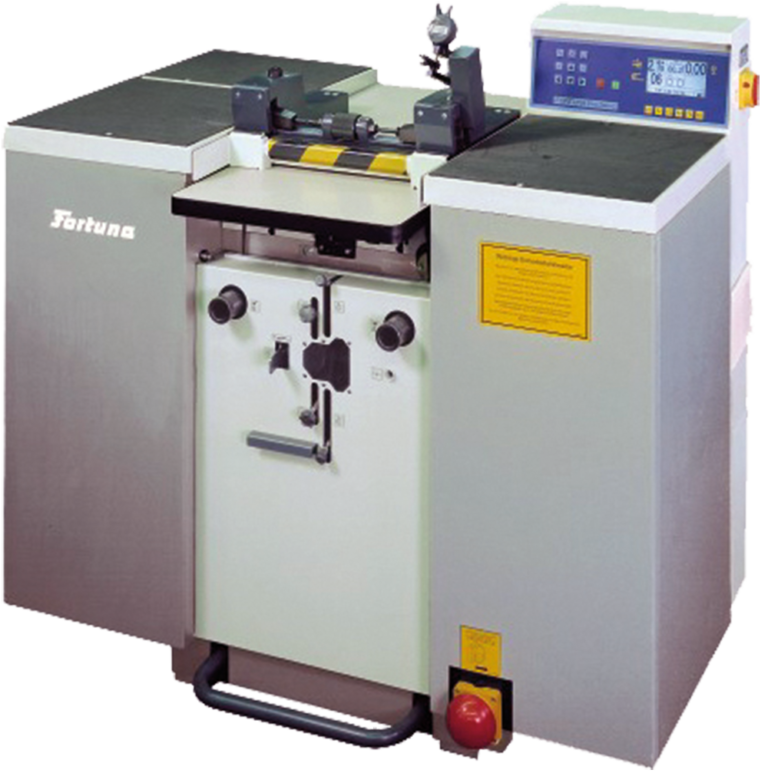
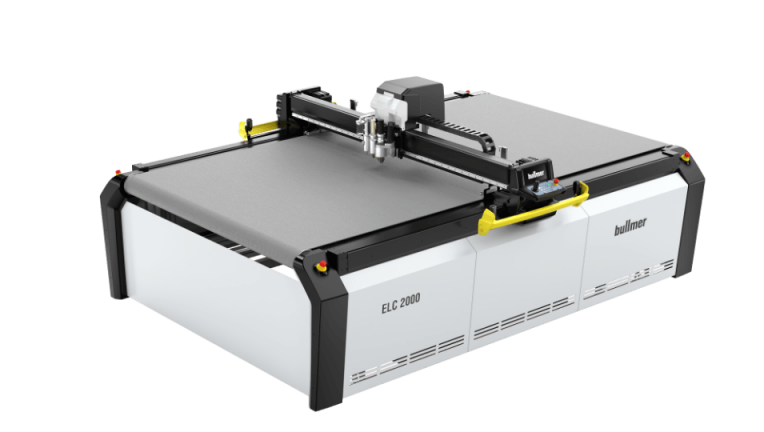
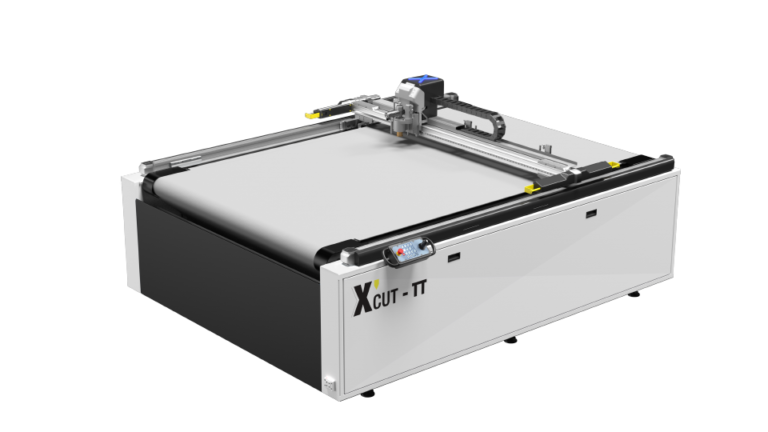
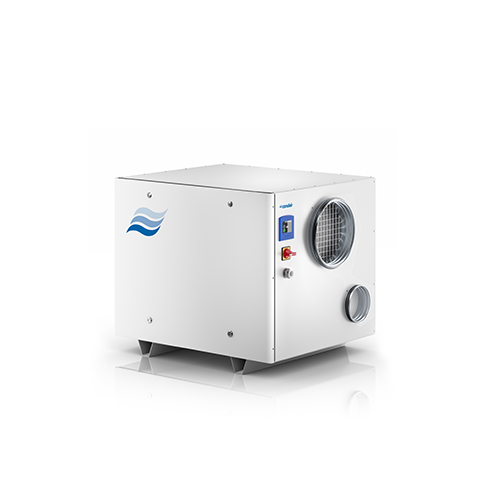
Texco supplies skiving and splitting equipment, cutting boards, automated cutting systems, CAD software, steam finishing equipment for components covered with leather or textiles, spraying systems for applying adhesives and surface treatments, and humidity control solutions.

Technical specifications

What matters technically in the leather and leather goods industry
Leather processing requires control over thickness, humidity and cutting accuracy. Every setting is determined according to the type of material and the operation.
  • Air humidity in the workshop and store

    Leather absorbs or releases moisture according to the conditions in the working environment. Overly dry air can stiffen the material, while high humidity increases the risk of distortion, stains and mould. The target value is set according to the type of leather, temperature, process and storage period.

  • Splitting uniformity

    Splitting reduces thickness over the entire surface or separates the material into layers. The accuracy of the setting influences the uniformity of the material and how it behaves in subsequent operations.

  • Material yield in cutting

    Leather has an irregular outline and areas that must be excluded from nesting. CAD software optimises the positioning of parts on the available surface. Natural defects can be taken into account when they are marked or digitised in the workflow.

  • Cutting board quality

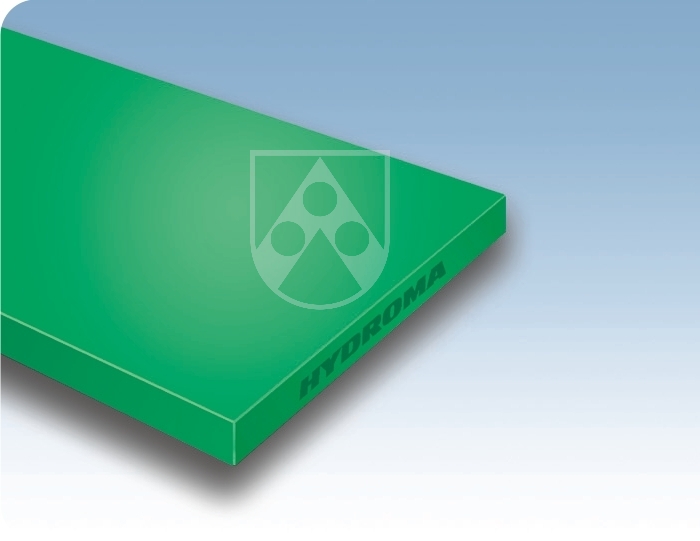
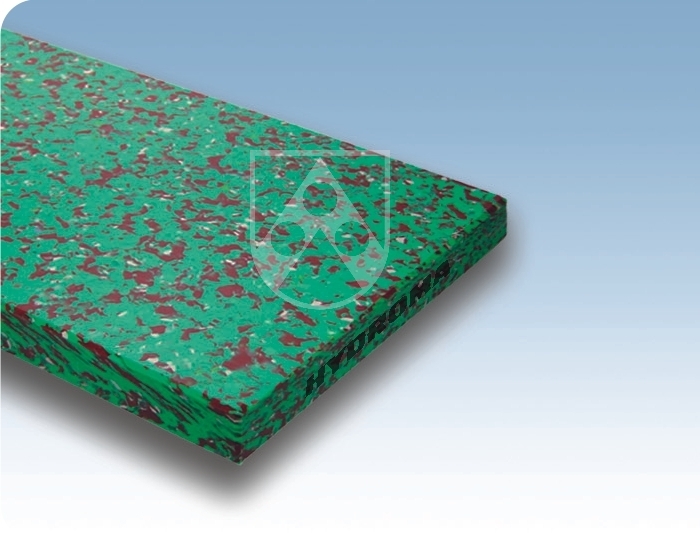
    The cutting board supports the cut and protects the knives. Its material, hardness, flatness and wear resistance influence cutting accuracy and knife service life. The choice is made according to the type of press, the material processed and the die-cutting method.

  • Skiving accuracy

    Skiving reduces thickness locally, especially at the edges and in joining areas. Correct adjustment supports even stitching, precise folding and controlled thickness in overlapping areas.

  • Applying adhesives and surface treatments

    Equipment selection starts from the material’s technical data sheet and safety data sheet, viscosity, flow rate, application type, production rate and intended result. Whether application is manual, automatic or robotic is determined separately.

  • Surface finishing quality

    For parts compatible with steam finishing, the process reduces creases and stabilises the appearance before inspection or assembly. The parameters are adapted to the type of leather, the finish applied and the construction of the part.

  • Production line output

    Set-up time, working speed and level of automation influence line capacity. Equipment with repeatable settings reduces stoppages and variation between batches.

Products

Texco equipment for the leather and leather goods industry
Consulting

Free consultation

If you’d like to explore the right options for your business, our experts are here to provide clear recommendations and solutions tailored to your needs.

Schedule a phone call or get in touch by email – it’s simple and free.

Explore other industries

Methodology

How Texco works in leather processing and leather goods

Every configuration starts from the actual material processed and the conditions on the production floor. Processing equipment and humidity control equipment are sized separately, because they meet different requirements.
  • Technical analysis

    Texco analyses the types of leather and materials processed, the volumes, the critical operations and the conditions in the workshop or store.

  • Sizing and choosing the configuration

    For processing equipment, the checks cover the type and thickness of the leather, the working width, whether the operation is local or over the whole surface, the production rate and the required tolerances. For cutting and die cutting, the analysis covers the material dimensions, the defects to be excluded, the type of parts and the cutting method.
    Spraying systems are configured according to the material applied, viscosity, flow rate and intended result, while humidification and dehumidification systems are sized on the volume of the space, temperature, air changes and target value.

  • Installation and commissioning

    The equipment is installed, calibrated on the actual material and integrated into the existing workflow. Commissioning includes checking the parameters and testing parts.

  • Technical documentation

    Texco supplies the data sheets, operating manuals, operating parameters and maintenance instructions provided for each piece of equipment.

Technical support

Frequently asked questions

  • What is the difference between skiving and splitting?

    Skiving reduces thickness locally, especially at the edges and in joining areas. Splitting processes the entire surface or separates the material into layers.

  • According to the type of press, the material cut, the die-cutting method and the hardness recommended for the application. The cutting board supports the cut and protects the knives. It is chosen according to the type of press, the material cut, the die-cutting method and the hardness recommended for the application.

  • There is no universal value for all types of leather. Humidity is set according to the type and finish of the material, the temperature, the next process and the storage period, avoiding both excessive drying and conditions that encourage distortion or mould.

  • Yes, if the defects are marked or scanned and included in the nesting process. Standard CAD software does not identify them automatically.

  • For natural leather, samples, short runs and customised products, where the material is positioned and cut individually.

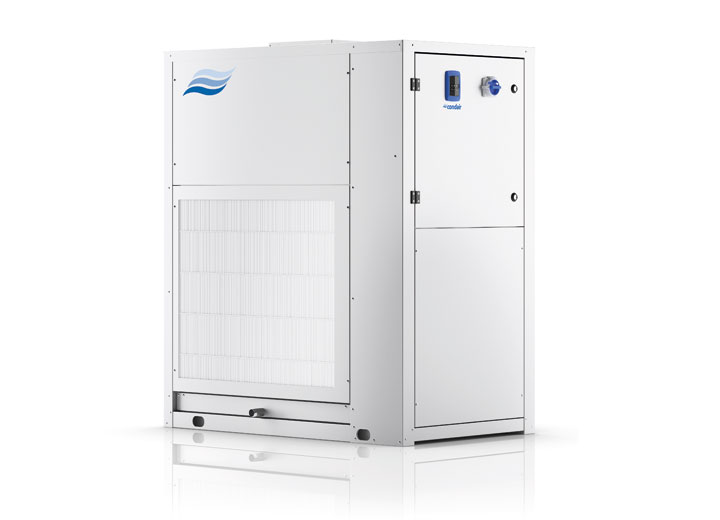
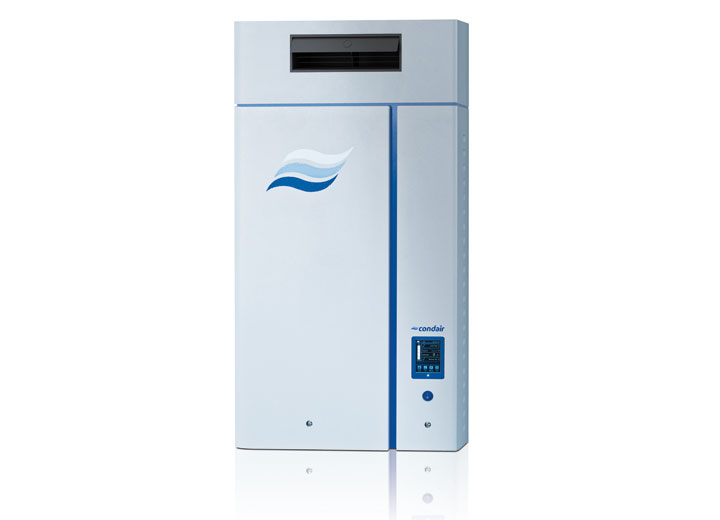
  • A model designed for low temperatures, such as the Condair DC-LT, or a desiccant system where very low humidity is required.

Have questions about products for this industry?

Our technical experts will get back to you within 4 business hours.

Contact us by email

Send us an email and get in touch with our specialists.

Contact us by phone

Call the numbers below to request a quote or get answers to your questions.

    Informatii solicitant: