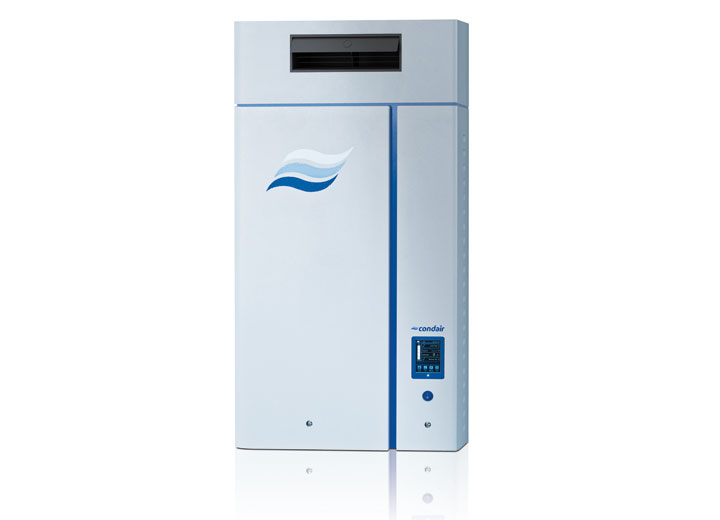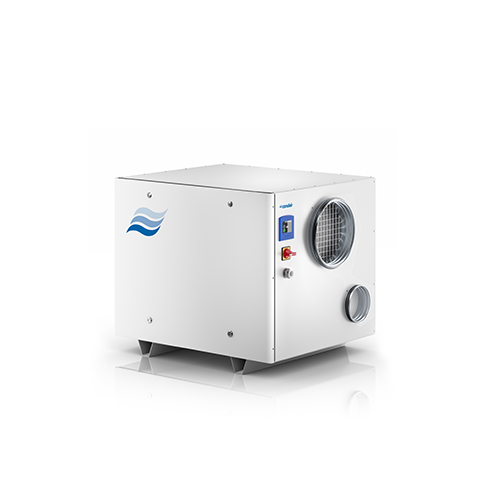
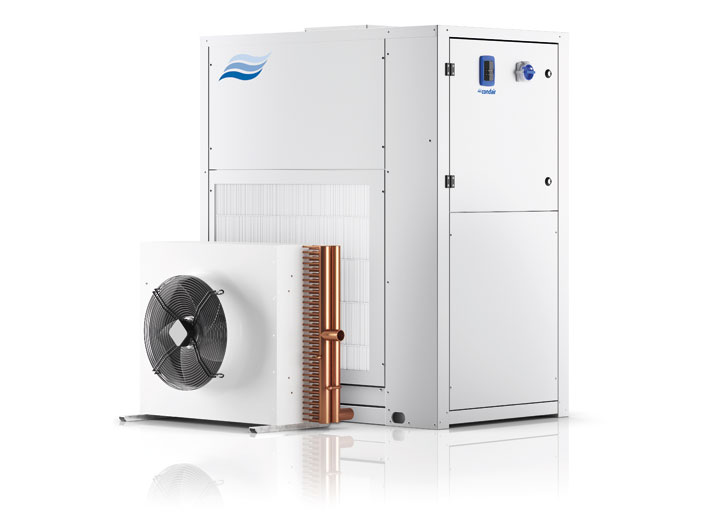
Condair DA dehumidification systems
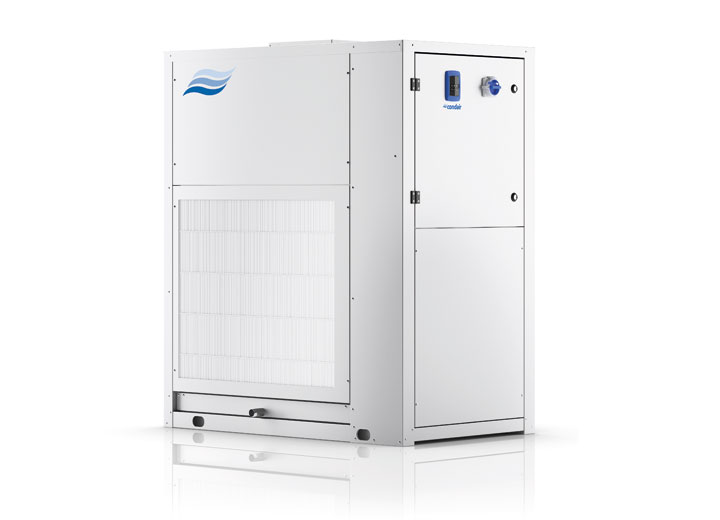
Desiccant rotor dehumidifier, suited to maintaining low and stable humidity, including at low temperatures.
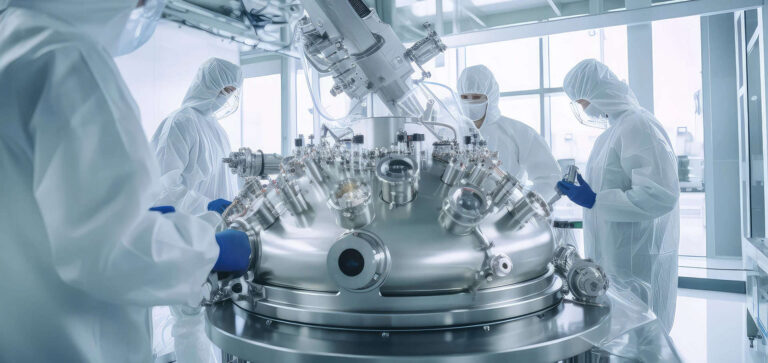
In a cleanroom or a laboratory, the environmental conditions can influence test results, the behaviour of materials and the stability of the processes carried out in the space.
Requirements differ from one application to another. A materials testing laboratory may need stable humidity for repeatable results, while in a cleanroom humidity must be controlled together with the other parameters of the installation, such as temperature, air flow rate and the pressures between zones.
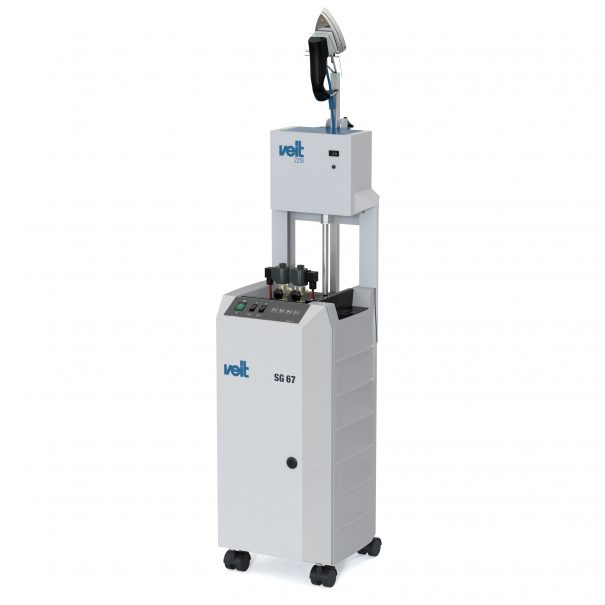
For processes that use process steam, the source is sized according to the flow, the pressure and the operating regime the application requires.
Texco supplies Condair systems for precision humidification and dehumidification, as well as JUMAG and VEIT steam generators for laboratory processes and other technological applications with a steam requirement.
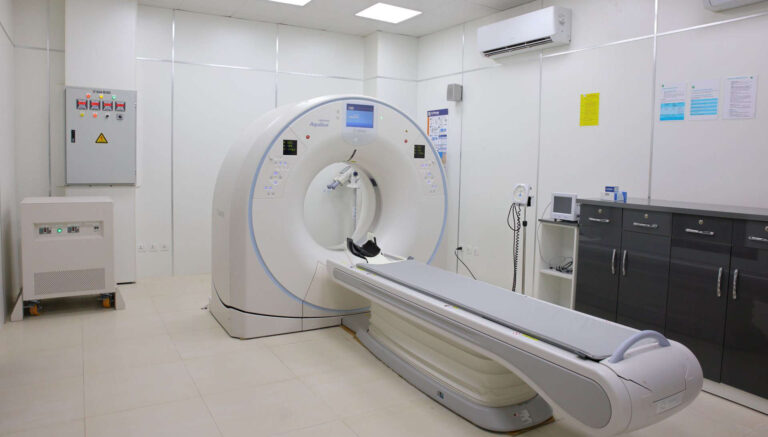
Laboratory test results, the behaviour of hygroscopic materials and the operation of certain measuring instruments depend on the relative humidity in the room. Sudden variations can affect the repeatability of samples and introduce errors that are hard to identify later. The target value and the permitted tolerance are established together with the client, according to the working standard, the type of sample and the requirements of the instruments in use.
Very dry air encourages the build-up of static electricity, which can affect sensitive electronic components, precision instruments and certain sample handling processes. Keeping humidity within the range set for each application reduces this risk and complements the earthing and ESD protection measures already in place in the space.
In cleanrooms, the cleanliness class sets the maximum permitted concentration of airborne particles. Maintaining it depends on the design and operation of the ventilation, filtration and air handling systems.
Humidification and dehumidification equipment must be integrated so as to preserve the conditions set for filtration, pressure and air circulation, and to limit the risk of condensation forming or water accumulating in the installation.
Differential pressures and air flow rates are set by the HVAC design in order to control the direction of air flow and contamination between zones.
The choice and placement of humidification and dehumidification systems must be matched to these values, so that the installation preserves the operating regime specified for each room.
In spaces with high contamination control requirements, the configuration of the humidification system and the management of the water must be analysed together with the requirements of the installation. For such applications, systems with dedicated hygiene solutions can be used. For example, Condair-Systems BioSafe uses a closed water circuit and automatic drainage of the waste water.
Some cleanrooms and testing laboratories operate at very low target humidity levels, hard to reach with standard dehumidification equipment. The choice between condensation dehumidification and desiccant dehumidification depends on the working temperature, the target humidity and the moisture load in the space.
Some processes carried out in laboratories and cleanrooms use steam for heat treatment, cleaning, sterilisation or other technological applications.
Before choosing the generator, it must be established whether the process uses process steam, clean steam or pure steam. The source is sized according to the required steam quality, the flow, the pressure and the operating regime of the application served.
Cleanrooms often operate with continuous monitoring of the environmental parameters. For equipment that supports communication over standard protocols, the operating values and alarm signals can be transmitted to the BMS or SCADA system.
TEXCO configures the available interface of the equipment and supplies the necessary technical information, while the integration, the data logging and the configuration of alerts are carried out together with the automation specialist.
Desiccant rotor dehumidifier, suited to maintaining low and stable humidity, including at low temperatures.
Dehumidifier for spaces with normal operating temperatures, with distribution directly into the room or through ductwork.
Dehumidifier designed to operate at low temperatures, for spaces requiring a controlled environment throughout the year.
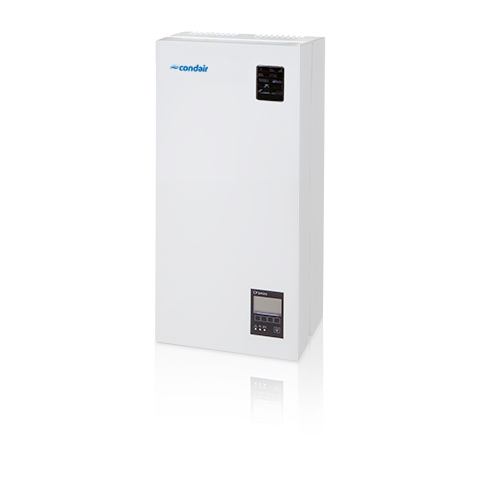
Electric steam humidifier, with modulating humidity control and options for BMS/SCADA integration via Modbus or BACnet.
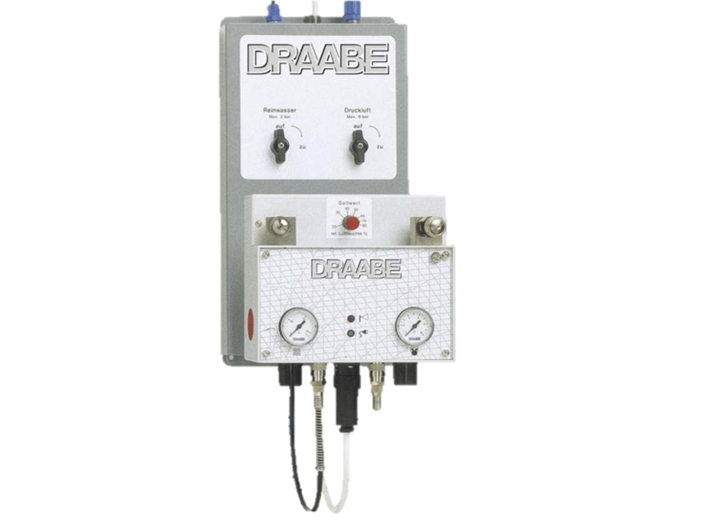
Adiabatic system with compressed air and a closed water circuit, intended for applications with high hygiene requirements for the humidification system. Humidification capacity between 5 and 150 kg/h.
Compact steam humidifier, suited to small spaces or applications with a low humidification requirement.
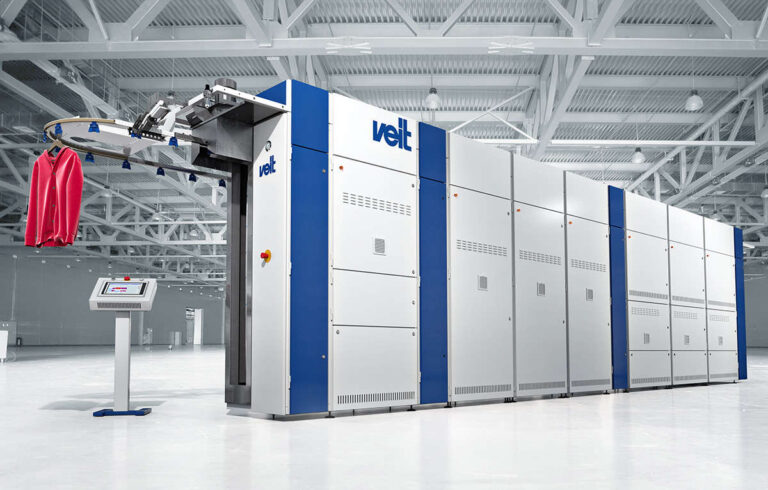
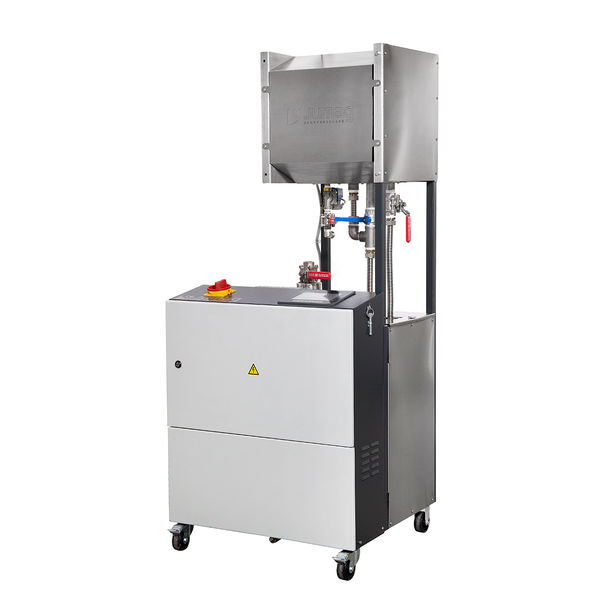
Electric generator for applications that require process steam and where the electrical supply is the energy source chosen for the project.
Compact electric generator for applications with a low or medium steam requirement.
If you’d like to explore the right options for your business, our experts are here to provide clear recommendations and solutions tailored to your needs.
Schedule a phone call or get in touch by email – it’s simple and free.
Texco assesses on site the cleanliness class of the space, the process being served, the target temperature and humidity, the air changes, the pressures between zones and the existing installations. The requirements for humidification, dehumidification and steam generation are assessed separately, because they involve different equipment and different sizing criteria.
For humidification and dehumidification systems, the analysis covers the volume of the space, the air changes, the working temperature, the existing humidity and the target value. For steam generators, the checks cover the average and peak flow, the required pressure and the operating regime of the process.
The equipment is installed and configured according to the design, with integration into the existing installation or direct installation in the room, where the equipment configuration allows it.
For equipment that supports communication over standard protocols, TEXCO configures the available interface and supplies the necessary technical information, while integration into the BMS or SCADA is carried out together with the automation specialist.
Texco supplies the technical documentation available for the equipment, the parameter sheets and the documents relating to installation, configuration and commissioning. The client can include these in the qualification or validation documentation for the installation and the process.
The target value and the permitted tolerance are established according to the process, the working standard, the materials or samples used and the requirements of the equipment in the space. In some applications, the stability of the humidity matters as much as the value itself.
The choice depends on the working temperature, the target humidity and the moisture load in the space. Desiccant dehumidification is suited to applications that require very low and stable humidity levels, including at low temperatures.
The equipment must be integrated so that the distribution of humidity is compatible with the air flow rates and the pressures set between rooms. The configuration is analysed together with the air handling system and the operating conditions of the space.
The humidification technology, the quality and management of the water, the drainage, the operating conditions and the cleaning and maintenance procedures are all taken into account. For such applications there are also dedicated systems, such as Condair-Systems BioSafe, with a closed water circuit.
The checks cover the average and peak flow the process requires, the working pressure, the operating schedule and the requirements of the application served. The generator is chosen according to the actual steam consumption and the available utilities.
Yes. Rooms or laboratories within the same project can have different temperatures, moisture loads and target values. Each zone is assessed separately, and the humidification and dehumidification systems are sized according to the local conditions and the requirements of the process.
Our technical experts will get back to you within 4 business hours.
Send us an email and get in touch with our specialists.
Call the numbers below to request a quote or get answers to your questions.
Fill out the form and we'll get back to you with a personalized offer.
Write to us and we will respond as soon as possible.