Electronics production line

Humidity control, ESD prevention and component protection

in electronics production

Technical context

Why humidity matters in ESD protected areas

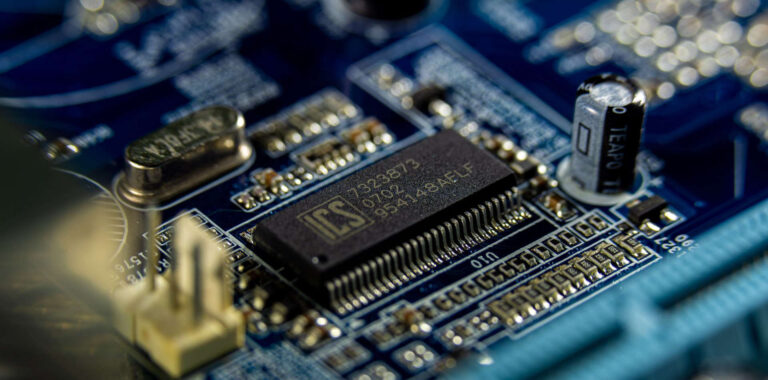
In electronics production, humidity control and the prevention of electrostatic discharge (ESD) contribute to process stability and the reliability of the finished product. An electrostatic discharge can damage a semiconductor without the defect being immediately visible. In some cases, the component may work after assembly but have a shorter service life or fail later.

Requirements differ from one stage to another. In ESD protected areas, humidity control can help reduce the build-up of electrostatic charge, but protection must be ensured through dedicated measures such as earthing, protective equipment and monitoring of the work area.

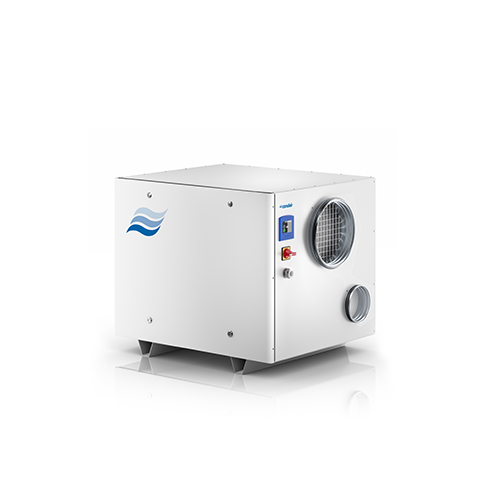
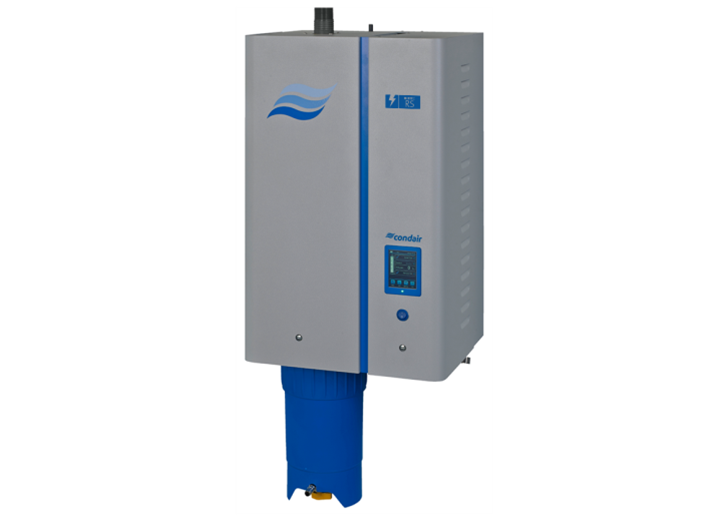
TEXCO supplies Condair systems for humidity control and dehumidification, suited to ESD areas and component storage spaces, as well as Walther Pilot equipment for applying conformal coatings to electronic assemblies.

Technical specifications

What matters technically in electronics production?

Too low, and humidity leaves components electrostatically charged. Too high, and it gets into the package. Every stage has its own threshold.
  • ESD prevention on assembly lines

    Semiconductors, printed circuit boards and SMD components can be affected by electrostatic discharge. Humidity control can complement the factory’s ESD programme, alongside earthing, protective equipment and workstation monitoring. The target value is set according to the process, the components and the internal ESD control requirements.

  • Humidity and moisture-sensitive components

    Electronic components with moisture-sensitive packaging materials can absorb moisture from the air during storage and handling. During the reflow process, the absorbed moisture turns into vapour and can build up pressure inside the component, causing cracks or delamination. The phenomenon is known as the “popcorn effect”.

    To reduce this risk, components must be stored and handled in spaces with low, controlled humidity, especially after the moisture barrier packaging has been opened.

  • Microclimate in SMT assembly areas

    SMT assembly and soldering areas should normally have controlled temperature and humidity. These values are set according to the equipment used and the quality requirements of the process. Changes in humidity can affect the solder paste, the behaviour of components and the stability of automated assembly processes. The recommended values should be checked in the data sheets of the equipment and materials used.

  • Applying conformal coatings

    Before application, the surface must be clean and properly prepared, because dust, grease or moisture can affect coating adhesion. Conformal coatings applied to electronic assemblies must form an even layer, free of bubbles and uncoated areas. The protective layer can limit the assemblies’ exposure to moisture, contaminants and factors that promote corrosion. The thickness and evenness of the layer depend on several factors, such as the coating viscosity, the spray pressure, the distance from the nozzle and the temperature and humidity conditions in the application and drying area.

  • Storing components and assembled boards

    Electronic components, printed circuit boards and finished assemblies must be stored in conditions suited to the type of product and the length of storage, with controlled temperature and humidity where the component requirements call for it. Correct storage reduces the risk of contact oxidation, corrosion and damage to moisture barrier packaging. The recommended humidity level depends on the type of components, the length of storage and the quality requirements of the process.

Products

Texco equipment for electronics production

Consulting

Free consultation

If you’d like to explore the right options for your business, our experts are here to provide clear recommendations and solutions tailored to your needs.

Schedule a phone call or get in touch by email – it’s simple and free.

Explore other industries

Methodology

How Texco works in electronics production

Humidification and conformal coating are sized on different criteria. Texco treats them as separate projects, from analysis through to commissioning.
  • Technical analysis

    For humidity control, Texco analyses the ESD areas and storage spaces, the existing conditions, the target humidity value and the process requirements.
    For applying conformal coatings, the analysis starts from the material’s technical data sheet and safety data sheet, the viscosity, the geometry of the assemblies, the line speed and the intended result.

  • Sizing and choosing the configuration

    For humidification and dehumidification, the calculation takes into account the volume of the space, the air flow rate and path, the initial conditions, the operating regime, the water and power supplies and the existing installation. On this basis, the capacity, distribution and positioning of the equipment are determined.
    For spraying, the flow rate, pressure, nozzle type and application method (manual, automatic or robotic) are determined according to the material and the intended result.

  • Installation, configuration and commissioning

    Humidification and dehumidification systems are integrated into the existing installation or configured for direct distribution, depending on the design. If the model supports communication with a BMS or SCADA, Texco checks the available interfaces and supplies the necessary technical information, while integration is carried out by the automation system integrator.
    Spraying equipment is configured and tested with the actual material and on parts representative of the real application before handover.

  • Technical documentation and support

    For Condair systems, Texco supplies the available technical documentation, the configuration parameters and information on the control and communication options.
    For Walther Pilot equipment, Texco supplies the equipment documentation and the parameters established during testing. Texco’s team of engineers and technicians has more than 15 years of experience supplying and integrating these systems.

Technical support

Frequently asked questions

  • How should moisture-sensitive components be stored after the protective packaging has been opened?

    Components must be kept in the temperature and humidity conditions set by the manufacturer, with exposure to ambient humidity limited according to the component’s moisture sensitivity level and the time allowed before soldering.

  • The popcorn effect occurs when moisture absorbed by the packaging material turns into vapour during the reflow process. The pressure rise inside the component can cause cracks or delamination.

  • In the ESD area, humidity is one of the factors that help limit the build-up of electrostatic charge. For moisture-sensitive components, the aim may be to maintain low, controlled humidity during storage. The two areas are sized separately, according to the process and the component requirements.

  • As a general guide, a range of 40–60% relative humidity is recommended to reduce the build-up of electrostatic charge. The exact value, however, is set according to the process, the components and the requirements of the ESD programme. Humidity control complements dedicated measures such as earthing, protective equipment and monitoring of the work area.

  • Controlled humidity helps limit fine airborne particles and can reduce dust settling on circuits and electronic boards. The humidity level must be kept within the limits set for the process and for the components used.

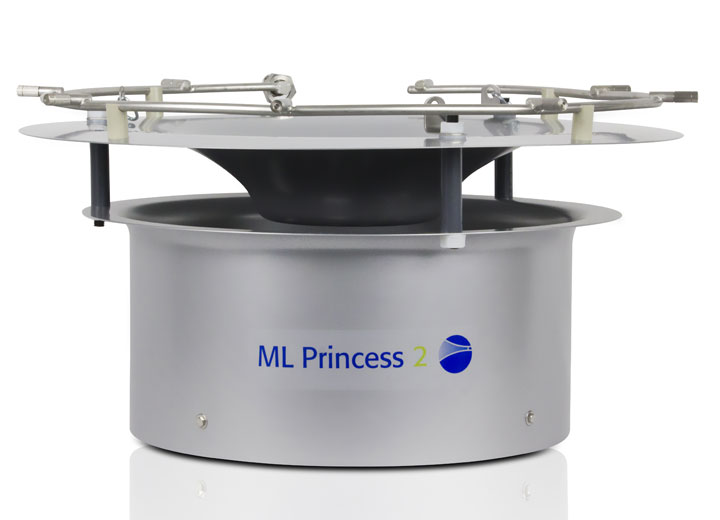
  • Adiabatic systems, such as Condair ML Princess, also produce a cooling effect through water evaporation. Their contribution to reducing the heat load depends on the initial conditions in the hall, the humidification requirement and the existing ventilation system.

  • The calculation takes into account the coating type and viscosity, the spray pressure, the distance from the nozzle, the layer thickness and the temperature and humidity conditions in the application and drying area. The settings are confirmed by tests on representative parts before series production.

  • The checks cover the material applied, the dimensions and geometry of the parts, the required flow rate, the evenness of the layer and the production rate. The final configuration is set after testing the equipment on parts and materials representative of the real application

Have questions about products for this industry?

Our technical experts will get back to you within 4 business hours.

Contact us by email

Send us an email and get in touch with our specialists.

Contact us by phone

Call the numbers below to request a quote or get answers to your questions.
    Informatii solicitant: